
2026 Top Plasma Torch Types What Should Buyers Choose?
Choosing a Plasma Torch in 2026 starts with the work, not the most impressive specification sheet. A shop cutting thin sheet metal has different needs from a fabrication team handling thicker plate or a contractor repairing equipment on site. Material type, thickness, daily cutting time, and available power all shape the right choice. Small details matter.
Air-plasma systems can be practical for general workshop jobs, while higher-definition models may deliver cleaner edges in demanding production settings. CNC operators should also consider torch compatibility, consumable availability, and how easily settings can be repeated. For mobile work, weight and setup time matter as much as cutting speed. A powerful unit can still be the wrong fit.
Buyers should compare rated cutting capacity with the thickness they expect to cut regularly, rather than relying only on maximum ratings. Check duty cycle, torch design, replacement-part costs, and the quality of support from the supplier. Ask how the machine performs on the metals and power supply you actually use. Then review sample cuts, if possible.
There is no universal winner. Sometimes a simpler torch is the more dependable choice. This guide examines common Plasma Torch types and the trade-offs behind them, helping buyers match equipment to real work instead of chasing features they may never use. The comparison has limits: job conditions vary, and advertised performance may not reflect every workshop. A careful shortlist is still a good start.
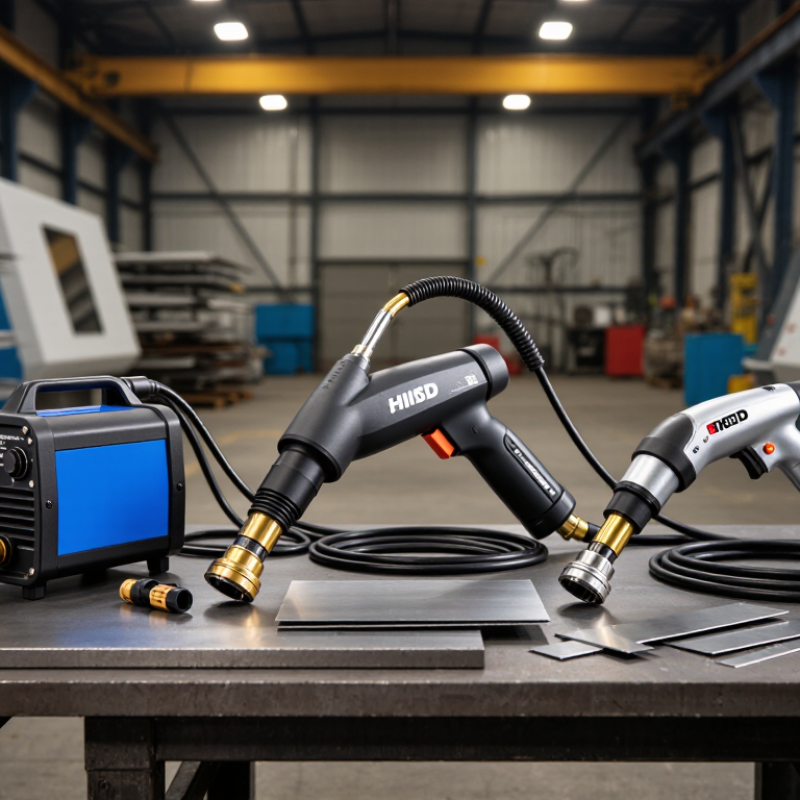
How Plasma Torches Work and Which Features Define Their Design
A plasma torch creates a narrow, electrically conductive stream of gas. The power source ionizes the gas, and the resulting plasma carries heat to the workpiece. In a transferred arc, current flows through the metal, concentrating heat in a small cutting zone. A pilot arc can help establish the cut before the torch touches conductive material. That distinction matters when working with expanded metal or painted surfaces.
Design choices shape how a torch performs in daily use. A handheld torch favors access and quick positioning; a machine torch suits guided, repeatable cutting. Check the rated cutting capacity against the metal thickness you actually process, not just a headline maximum. Air pressure, flow, and dryness also matter. Moisture in the line can shorten consumable life and make the arc inconsistent. Small details count.
The nozzle and electrode direct and stabilize the arc, so wear can show up as a wider kerf or a rough edge. Inspect them regularly. A comfortable grip, clear trigger response, and manageable hose can reduce fatigue during longer jobs. For automated systems, mounting dimensions and torch-height control deserve attention. Duty cycle is easy to overlook: it indicates how long the unit can operate before cooling is needed. Still, ratings do not tell the whole story. Real results depend on material, setup, and operator technique. Safety glasses, suitable protective clothing, ventilation, and the equipment manual remain essential.
Main Plasma Torch Types and Their Operating Differences
Plasma torches differ by arc design, gas system, and how they are used. A transferred-arc torch sends the electrical arc from the electrode to the conductive workpiece. It suits metal cutting because heat concentrates at the cut. A non-transferred arc stays inside the torch, making it useful for heating or processing nonconductive materials, but less suited to ordinary plate cutting. The American Welding Society’s Welding Handbook describes these distinct plasma-arc arrangements and their applications.
For everyday fabrication, handheld air-plasma torches are portable and relatively simple to set up. Mechanized systems hold the torch at a controlled height and follow programmed paths, which can improve repeatability on production tables. High-definition systems use refined arc and gas control to produce narrower cuts and cleaner edges on suitable materials. TWI’s technical guidance on plasma cutting notes that plasma arcs can reach temperatures around 20,000°C; however, cut quality still depends on material thickness, consumables, speed, and torch height. A powerful torch is not automatically the right torch.
Tips: Match the rated cutting capacity to the thickness you cut regularly, not just the occasional maximum. Check duty cycle, available power, consumable cost, and whether you need manual or mechanized operation. Test on scrap first. Real shop conditions can surprise you.
How Torch Types Compare in Cutting Quality, Speed, and Cost
Plasma torch choice changes the edge, pace, and total cost of a job. Air plasma systems are common for repair work and general fabrication. They cut quickly and use readily available compressed air, but may leave a rougher edge or more dross on thicker plate. For a small shop cutting brackets from mild steel, that trade-off can be practical. Still, “good enough” depends on how much cleanup the part needs.
Oxygen-based cutting can produce cleaner results on mild steel, while high-definition systems offer narrower cuts and more precise edges. These options may reduce grinding and improve fit-up, especially on detailed parts. They also bring higher equipment, consumable, or operating costs. A faster torch is not automatically cheaper if it creates scrap or requires costly maintenance. Cut speed depends on material, thickness, settings, and operator technique. It is easy to overlook that last factor.
Tips: Compare sample cuts on your actual material and thickness. Check edge angle, dross, and how much grinding is needed. Ask suppliers for consumable-life estimates, but treat them as estimates; real use varies. If the work is occasional, a simpler system may make more sense. If precision is frequent, paying more can be justified. There is no perfect choice.
2026 Top Plasma Torch Types: What Should Buyers Choose? — How Torch Types Compare in Cutting Quality, Speed, and Cost
| Torch Type | Typical Plasma Gas | Best-Suited Materials | Cutting Quality | Cutting Speed | Relative Equipment Cost | Operating Cost Considerations | Best Fit for Buyers |
|---|---|---|---|---|---|---|---|
| Air Plasma | Compressed air; some systems use a secondary shield gas | Mild steel, stainless steel, and aluminum | Good for general fabrication. Cut edges can show oxidation, and finish and squareness depend on material thickness, consumable condition, and setup. | Fast on thin and medium plate within the machine’s rated capacity; slows as thickness increases. | Low to moderate | Air is readily available, but the system needs clean, dry compressed air. Electrode and nozzle wear are normal ongoing costs. | Shops, maintenance teams, and fabricators that want a versatile, economical process. |
| Oxygen Plasma | Oxygen, commonly paired with a compatible shielding gas or air depending on the system | Primarily mild steel | Can produce clean cuts on mild steel when the torch, gas, and settings are matched to the material. It is generally not the preferred choice for stainless steel or aluminum. | High on mild steel in the system’s intended thickness range; actual speed depends on amperage, thickness, and cut quality requirements. | Moderate | Oxygen supply and gas-handling requirements add operating considerations. Use only with equipment designed for oxygen service. | Production cutting focused mainly on mild steel. |
| Nitrogen-Based Plasma | Nitrogen, sometimes used with a secondary gas selected for the material and process | Stainless steel and aluminum; also used for certain nonferrous applications | Often provides a suitable edge on nonferrous metals. The best gas combination depends on the material, thickness, and desired edge condition. | Competitive on appropriate materials and thicknesses; there is no single speed advantage across all metals and systems. | Moderate | Gas consumption and the selected secondary gas affect running costs. Gas purity and correct flow settings matter. | Shops that regularly cut stainless steel or aluminum and need a process configured for those materials. |
| High-Definition Plasma | Process-specific gases; commonly oxygen for mild steel, with other gas combinations for nonferrous metals | Mild steel, stainless steel, and aluminum, with material-specific setups | Designed for a narrower, more controlled arc and improved precision compared with conventional plasma. Results still depend on calibration, consumables, material, and cutting conditions. | Can deliver high production rates while maintaining precision on suitable CNC applications; speed varies substantially by thickness and cut specification. | High | Higher capital cost and more demanding setup; gas, consumables, maintenance, and operator skill should be included in total cost. | Production shops that need repeatable, precise CNC cuts and can justify the investment through throughput or quality requirements. |
| Water-Injection or Water-Shielded Plasma | Plasma gas varies by system; water is used to constrict or shield the arc | Primarily mechanized cutting of conductive plate, including mild steel and some nonferrous applications | Water-based arc control can reduce heat effects and improve cut characteristics in suitable applications. Performance is system- and material-dependent. | Potentially productive in mechanized applications, but comparisons require matching material, thickness, and cut-quality targets. | High | Requires compatible water-management equipment and maintenance in addition to the torch and gas system. | Industrial users with suitable mechanized equipment and a process need that benefits from water-assisted arc control. |
How to compare: Cutting speed and edge quality are not fixed torch-type ratings. They vary with material, thickness, machine output, consumable condition, gas settings, and the required finish. Compare systems using the same material, thickness, cut specification, and total-cost assumptions.
Which Plasma Torch Fits Each Material and Work Environment
2026 Top Plasma Torch Types: What Should Buyers Choose?
Which Plasma Torch Fits Each Material and Work Environment
Torch choice depends on material thickness, cut quality, and where the work happens. For repair shops cutting mild steel outdoors, a handheld air-plasma torch offers mobility and quick setup. Its compressed-air supply is convenient, but moisture and oil in the air line can shorten consumable life. A dry, filtered air supply matters. For repetitive sheet cutting, a mechanized torch mounted on a CNC table delivers steadier travel and repeatable parts. Fine-cut or high-definition systems suit jobs demanding narrower kerfs and cleaner edges, though their setup and operating costs may not fit occasional work.
Material changes the decision. Mild steel tolerates air plasma well; stainless steel and aluminum may need carefully matched gas, amperage, and cutting speed to control oxidation and edge quality. The World Steel Association reported global crude-steel production of 1,882.6 million tonnes in 2023, underscoring steel’s vast industrial role. That figure does not determine torch demand, but it shows why steel-cutting capability remains a practical consideration. A workshop’s ventilation, duty cycle, power supply, and available floor space also matter. The “best” torch can still be a poor fit.
Tips: Match rated cutting capacity to your actual material thickness, not the occasional maximum. Check the manufacturer’s cut charts, then test on scrap from the same material. Listen for a stable arc. One detail is easy to overlook: a cramped, poorly ventilated work area can make even a capable setup frustrating.
Source: World Steel Association, World Steel in Figures 2024.
How Buyers Can Choose a Plasma Torch for 2026 Needs
Choosing a plasma torch for 2026 starts with the workpiece, not the product label. Handheld air-plasma torches suit repair work and short cutting sessions. Mechanized or high-definition torches fit tables, repeated production, and tighter tolerances. Water-injection systems can reduce dust and glare, but they require suitable filtration and maintenance.
Grand View Research estimates the global plasma cutting machine market will grow at about 6% annually through 2030. That growth reflects demand for faster fabrication and improved automation. Buyers should therefore check duty cycle, pierce capacity, consumable life, and compatibility with cutting software. A torch rated for 40 mm steel may struggle with frequent piercing at that thickness. Thin sheet may need a different setup.
Test before purchasing.
In a workshop trial, measure edge angle, dross, kerf width, and restart performance on actual material. Record compressed-air pressure beside the machine, not only in the catalog. The U.S. Occupational Safety and Health Administration stresses ventilation, electrical protection, and controlled compressed-gas practices. Those details affect reliability more than a high amperage number. I would also price consumables for twelve months. The cheapest torch may win today, but that calculation often ages badly. Published efficiency figures can look impressive; dusty floors and unsteady air supply may tell another story.
Related Posts
-
10 Ways Cnc Plasma Cutting Tables Transform Your Manufacturing Efficiency
-
Discover Premium Plasma Machines from China Your Global Manufacturing Ally
-
Top China Best CNC Plasma Table for Global Buyers?
-
What Is the Best Plasma Cutting Table in 2026?
-
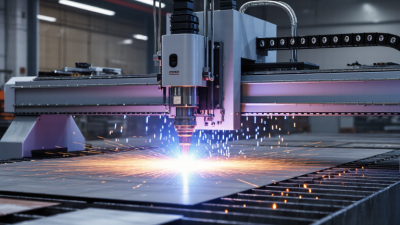
What Are Plasma Cutting Services and How Do They Work?
-
Resilient Growth of Chinese Manufacturers in the Face of US China Tariffs and the Rise of Best Small CNC Plasma Cutters