Skip to content
Menu

What Are Plasma Cutting Services and How Do They Work?

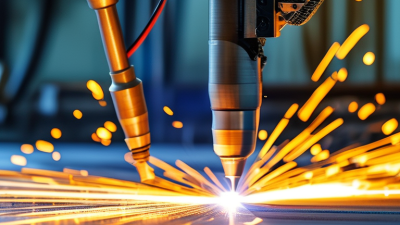
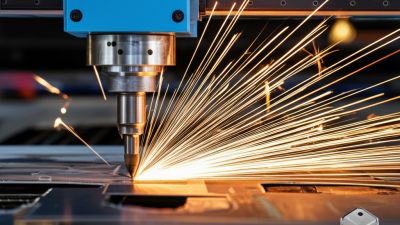
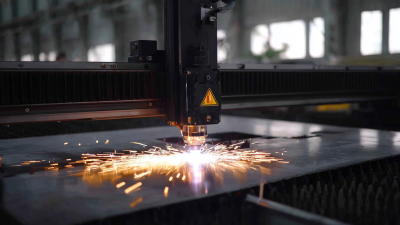
What Are Plasma Cutting Services and How Do They Work? This question matters wherever accurate metal fabrication meets demanding production schedules. Plasma Cutting Services use a focused, high-temperature plasma arc to melt electrically conductive materials. A compressed gas then removes the molten metal, creating a narrow cut. The process resembles a controlled lightning channel. It can cut steel, stainless steel, aluminum, and other conductive alloys with impressive speed.

Industry data confirms the process’s growing commercial importance. Grand View Research identifies automation, construction, automotive production, and metal fabrication as major drivers of the global plasma cutting machine market. MarketsandMarkets also reports continued demand for computer-controlled cutting systems, especially where manufacturers need repeatable profiles and reduced material waste. However, market estimates differ because some reports measure machines, while others include software, consumables, and service contracts. That difference deserves attention.

In practice, a professional service begins with material inspection, digital drawing preparation, and parameter selection. Operators adjust amperage, gas pressure, travel speed, and torch height for each thickness. A 10-millimeter steel plate may require settings that would damage a thin aluminum panel. The cut edge can show light dross, heat discoloration, or taper when calibration is poor. The detail is critical. ISO 9013 provides internationally recognized guidance for thermal-cut quality and tolerance classification. Experienced providers inspect finished parts with gauges, visual checks, and dimensional measurements. Yet plasma is not automatically perfect. It can be fast and economical, but design errors, worn electrodes, and incorrect settings still create defects. Understanding the equipment, workflow, limitations, and quality controls helps buyers choose reliable Plasma Cutting Services for real production needs.
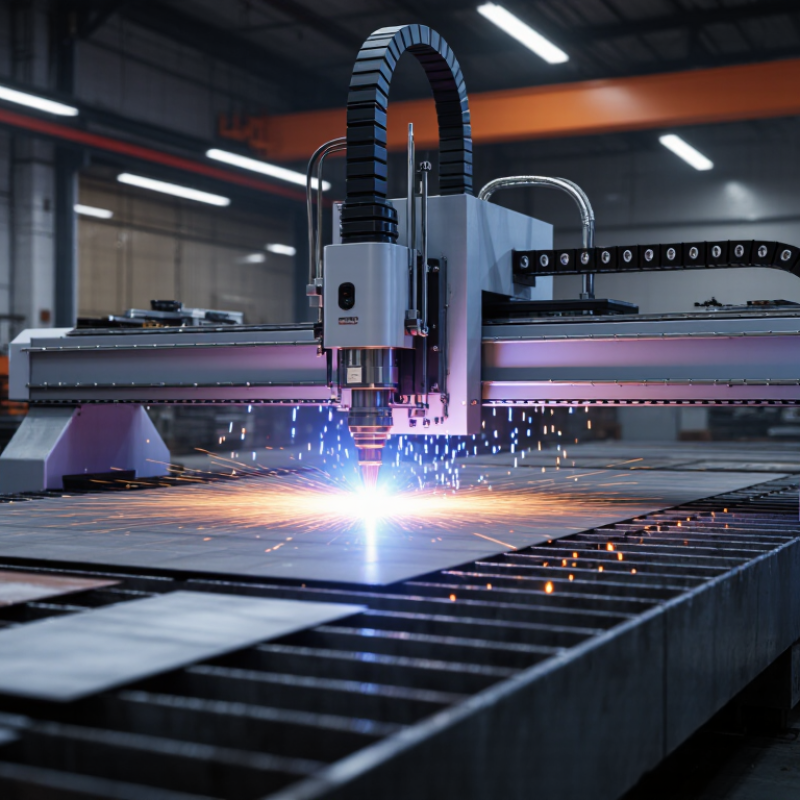
What Are Plasma Cutting Services and How Do They Work?

What Plasma Cutting Services Are and What They Include

Plasma cutting services use an electrically charged gas stream to melt and remove conductive metal. A power source creates an arc between the electrode and workpiece. Compressed gas then forms a narrow, high-temperature plasma jet. The jet travels through steel, aluminum, copper, or stainless steel. Service providers usually offer CAD drawing review, material sourcing, CNC cutting, edge cleaning, inspection, and delivery.

The process begins with a digital file and a cutting plan. Software nests parts to reduce scrap. The operator then sets amperage, gas pressure, torch height, and travel speed. Industry reports reflect growing demand. Grand View Research’s 2024 plasma cutting machine report projects about 6% annual market growth through 2030. This trend relates to faster fabrication and increasingly automated workshops. Still, speed can create problems. A rough edge, heat distortion, or small bevel may affect assembly. ISO 9013 provides useful guidance for evaluating thermal-cutting quality, but real parts still require judgment.

Tips: Confirm thickness, tolerance, and finish requirements before cutting. Ask for a test piece when appearance matters. Check dross under strong light. It often reveals poor settings. Even experienced operators can overlook heat damage near thin holes. That is where a careful inspection earns its cost.

How Plasma Cutting Equipment Creates a Cutting Arc

Plasma cutting equipment creates a cutting arc by combining electricity, compressed gas, and controlled airflow. A power supply sends high-frequency energy through the torch. This energy ionizes the gas inside the nozzle, turning it into extremely hot plasma. The gas becomes electrically conductive.

The torch first forms a small pilot arc near the electrode. When the torch approaches grounded metal, the arc transfers to the workpiece. The nozzle then constricts the arc into a narrow, high-speed jet. Temperatures can exceed 20,000°C, melting the metal along the programmed path. The gas stream pushes molten material away from the cut.

A steady ground connection matters. So does clean, dry air. Moisture can weaken the arc and damage internal torch parts. Operators adjust amperage, gas pressure, cutting speed, and torch height for each material thickness. Stainless steel, mild steel, and aluminum may require different settings.

From practical use, the process feels fast but is not perfectly forgiving. Moving too slowly leaves heavy dross beneath the plate. Moving too quickly can create an incomplete cut. The edge is rarely perfect. That detail is easy to overlook.

Consumable parts also affect reliability. A worn electrode or damaged nozzle can widen the arc and reduce accuracy. Proper eye protection, gloves, ventilation, and safe workholding remain essential. Plasma cutting is efficient, but careful setup still controls the final result.

Typical Plasma Cutting Current by Mild-Steel Thickness

Plasma cutters create an electrically conductive plasma arc by passing compressed gas through an energized nozzle. As material thickness increases, higher cutting current is typically required.

Values shown are representative operating levels for mild steel. Actual settings vary with torch design, gas pressure, travel speed, and material condition.

The Step-by-Step Process Behind a Plasma Cut

Plasma cutting uses an electric arc to melt conductive metal, while high-velocity gas removes the molten material. A 2024 market assessment by Fortune Business Insights valued the global plasma cutting machine market at about USD 1.1 billion in 2023. That growth reflects demand for faster, digitally controlled fabrication. The process still depends heavily on operator judgment.

The step-by-step process begins with checking the material, thickness, and required edge quality. The operator secures the plate and connects the work clamp. A pilot arc then forms inside the torch. Compressed gas passes through the nozzle and becomes plasma when electrically energized. The plasma reaches temperatures above 20,000°C, melting a narrow path through the metal. The gas stream pushes slag beneath the plate as the torch follows a programmed line.

Speed matters. Too slowly, and the cut develops heavy dross. Too quickly, and the arc may fail to penetrate fully. ISO 9013 provides classifications for thermal-cutting quality, including edge angle, roughness, and cut tolerance.

Tips: Keep the torch perpendicular to the plate. Confirm gas pressure before cutting. Inspect the nozzle often, because a worn opening can widen the kerf. I have found that “automatic” settings are not always perfect; rusty steel, warped sheets, and poor grounding still create uneven edges. A small test cut can prevent a costly full-sheet mistake. Wear a suitable face shield, gloves, hearing protection, and protective clothing, following workplace safety procedures.

Compatible Materials, Thicknesses, and Cutting Capabilities

Plasma cutting services use an electric arc to ionize compressed gas, creating a focused plasma jet. The jet melts conductive metal, while the gas removes the molten material. Mild steel, stainless steel, aluminum, copper, and brass are common choices. Non-conductive materials, such as wood or glass, cannot be cut this way.

Thickness depends on amperage, gas selection, machine design, and required edge quality. Handheld systems often cut mild steel from 6 to 25 millimeters, while high-definition CNC systems may process approximately 50 to 75 millimeters. Maximum severance thickness is not the same as production thickness. Pierce limits are usually lower, especially when starting from the sheet surface. The 2024 World Steel Association report recorded about 1.89 billion metric tons of crude steel production in 2023, showing the scale of steel processing, but large volume does not guarantee accurate cutting.

For precision work, operators evaluate kerf width, dross, taper, and the heat-affected zone. A typical plasma kerf may measure roughly 1.5 to 3 millimeters, depending on settings and thickness. ISO 9013:2017 provides a framework for thermal-cut quality classification. Stainless steel can discolor near the cut, while aluminum may require careful gas control because it reflects heat differently. Copper is possible, but its high thermal conductivity can reduce consistency. Experience matters. Even good settings sometimes need adjustment after the first test cut.

Common Applications, Benefits, and Service Considerations

Plasma cutting services use an electric arc to turn compressed gas into plasma. The plasma jet melts conductive metal, while high-speed gas removes the molten material. This method cuts steel, stainless steel, and aluminum with impressive speed. It also handles curves, slots, and detailed profiles through computer-controlled equipment. The machine is fast. Precision still depends on setup.

Applications span construction frames, agricultural equipment, ventilation parts, ship components, and custom metal fabrication. The World Steel Association reported approximately 1.89 billion tonnes of crude steel production worldwide in 2023. That scale reflects continued demand for reliable cutting processes. Plasma is especially useful for medium and thick sheet metal, where mechanical cutting may create greater tool wear. However, thin material can warp when heat input is poorly controlled.

Service quality depends on more than cutting speed. Ask about material thickness limits, dimensional tolerances, edge-quality classes, and drawing verification. ISO 9013 provides recognized classifications for thermally cut surfaces. A capable provider should also manage slag, bevel angle, consumable wear, ventilation, and operator safety. The Occupational Safety and Health Administration identifies metal fumes, ultraviolet radiation, noise, and fire risks as key hazards. A clean edge can still hide inaccurate dimensions. That is where inspection matters. Cost estimates should include programming, setup, finishing, scrap, and delivery, not only the machine-hour rate.

What Are Plasma Cutting Services and How Do They Work? - Common Applications, Benefits, and Service Considerations

Data Dimension Key Information Typical Range or Examples Practical Considerations
Process Definition Plasma cutting is a thermal cutting process that uses an electrically conductive gas heated into plasma to melt metal. A high-velocity gas jet removes the molten material and creates the cut. Commonly used for steel, stainless steel, aluminum, copper, brass, and other electrically conductive metals. The process cannot cut nonconductive materials such as wood, glass, rubber, or most plastics.
How the Process Works An electric arc is established between an electrode and the workpiece. Gas passing through the torch is ionized, forming a concentrated plasma arc. The arc melts the material while the gas blows away the molten metal. Typical process stages: material setup, torch height control, arc initiation, piercing, cutting, and edge inspection. Cut quality depends on amperage, cutting speed, gas selection, torch height, consumable condition, and material thickness.
Common Cutting Gases Different gases influence cutting speed, edge appearance, oxidation, and operating cost. Compressed air is widely used; oxygen, nitrogen, and argon-hydrogen mixtures may be selected for specific materials and quality requirements. Gas selection should match the material, thickness, equipment specifications, and desired edge finish.
Suitable Materials Plasma cutting requires materials that conduct electricity and tolerate localized heat. Mild steel, stainless steel, aluminum, galvanized steel, copper, and brass. Coated or galvanized metals may produce fumes during cutting and require suitable ventilation and protective procedures.
Typical Thickness Capability Capacity varies significantly with the power source, torch type, material, and required cut quality. Many systems cut sheet and plate from thin gauges to several inches; high-power industrial systems can handle substantially thicker plate. Maximum severance thickness is not the same as recommended production thickness. Request a capability review for critical parts.
Cutting Accuracy Plasma systems can produce accurate profiles, especially when computer-controlled motion and automatic torch-height regulation are used. Suitable for many fabrication, structural, repair, and production components. Accuracy is affected by machine calibration, thermal distortion, kerf width, consumable wear, plate flatness, and cutting parameters.
Cut Edge Characteristics Finished edges may show a heat-affected zone, dross, taper, or minor striations depending on operating conditions. High-quality cuts can reduce or eliminate secondary grinding for many applications. Additional deburring, grinding, machining, or edge finishing may be needed where tight tolerances or specific surface conditions are required.
Common Applications Plasma cutting services are used to produce flat parts, profiles, openings, brackets, frames, and repair components. Construction, agricultural equipment, general metal fabrication, machinery, vehicle repair, shipbuilding, HVAC work, and structural steelwork. Part drawings should identify material grade, thickness, dimensions, tolerances, hole requirements, and finishing expectations.
CNC Plasma Cutting Computer numerical control directs the torch along programmed toolpaths generated from digital drawings or CAD files. Effective for repeated profiles, nesting multiple parts, and producing consistent dimensions across batches. Clean CAD geometry and correct scale are important. Lead-ins, lead-outs, pierce points, and kerf compensation should be reviewed.
Production Efficiency Plasma cutting is generally faster than many mechanical cutting methods for conductive sheet and plate, particularly for complex profiles. Efficient for prototypes, one-off parts, short runs, and medium-volume production. Actual throughput depends on material thickness, part geometry, piercing time, repositioning, nesting efficiency, and inspection requirements.
Main Benefits Key advantages include high cutting speed, the ability to process varied conductive metals, relatively narrow kerfs, and compatibility with automated equipment. Flexible production, reduced manual layout work, repeatable profiles, and efficient material utilization through nesting. Benefits should be evaluated against required tolerances, edge quality, heat input, finishing work, and total project cost.
Limitations Plasma cutting creates heat and cannot provide the same results for every thickness, tolerance, or material type. Potential issues include dross, edge taper, distortion, noise, fumes, ultraviolet radiation, and a heat-affected zone. For extremely tight tolerances, very fine features, thick nonconductive materials, or minimal heat input, another process may be more appropriate.
Design Considerations Part geometry should account for minimum feature sizes, hole quality, kerf width, corner behavior, and thermal effects. Use clear dimensions, closed profiles, suitable internal radii, and realistic tolerances for the selected material thickness. Small holes and narrow slots may require specialized settings or secondary machining to achieve the required geometry.
Service Pricing Factors Service costs are influenced by material, thickness, cut length, number of pierces, setup time, programming, finishing, and order quantity. Additional charges may apply for material procurement, deburring, drilling, forming, coating, inspection, packaging, or expedited delivery. Provide complete drawings and specifications to receive a more reliable quotation and avoid scope changes.
Quality Control Inspection may include checking dimensions, profile accuracy, edge condition, hole size, squareness, and visible defects. Methods can include visual inspection, caliper measurement, template checks, coordinate measurement, and documented dimensional reports. Inspection requirements should be agreed before production, particularly for load-bearing or safety-critical parts.
Safety Requirements Plasma cutting involves high temperatures, electrical energy, bright ultraviolet light, compressed gas, sparks, fumes, and noise. Controls include proper ventilation or fume extraction, eye and face protection, flame-resistant clothing, gloves, hearing protection, and safe grounding. Operators should follow applicable workplace safety rules and the equipment manufacturer’s operating procedures.
Recommended Service Inputs Accurate project information enables correct process selection and production planning. Material type and grade, thickness, part quantity, CAD or dimensioned drawings, tolerances, edge requirements, surface finish, and delivery deadline. Clarify whether the service includes raw material, cutting only, deburring, inspection, packaging, and delivery.