
Skip to content
Menu

Top 4x2 Dump Truck Manufacturers for Global Buyers

Choosing a reliable 4x2 Dump Truck manufacturer requires more than comparing prices and engine power. Global buyers must assess payload ratings, chassis strength, hydraulic performance, driver safety, and after-sales support. A truck may look impressive in a brochure yet perform poorly on steep construction roads or uneven quarry surfaces. Real operating conditions matter.

This guide reviews four leading 4x2 Dump Truck manufacturers serving international markets. The comparison considers manufacturing experience, product quality, export capability, service networks, warranty policies, and replacement-parts availability. It also examines practical details, including reinforced steel beds, axle capacity, turning radius, fuel efficiency, and cab visibility. These features influence daily productivity, especially when trucks operate in crowded urban projects or remote mining areas.

Performance depends on more than specifications. It depends on maintenance habits, local road conditions, operator training, and dealer response. That point is often underestimated. Buyers should verify test results, certification records, factory capacity, and customer references before signing a contract. Manufacturer claims can be useful, but independent inspection provides stronger confidence. No supplier is perfect. Even established brands may face delivery delays, limited regional support, or inconsistent parts availability.

The manufacturers discussed here offer different strengths, from heavy-duty construction platforms to cost-conscious fleet solutions. Their suitability depends on your payload requirements, climate, terrain, budget, and expected service life. A careful comparison can reduce downtime and improve long-term ownership value. The final decision should balance purchase cost with dependable performance over thousands of working hours.
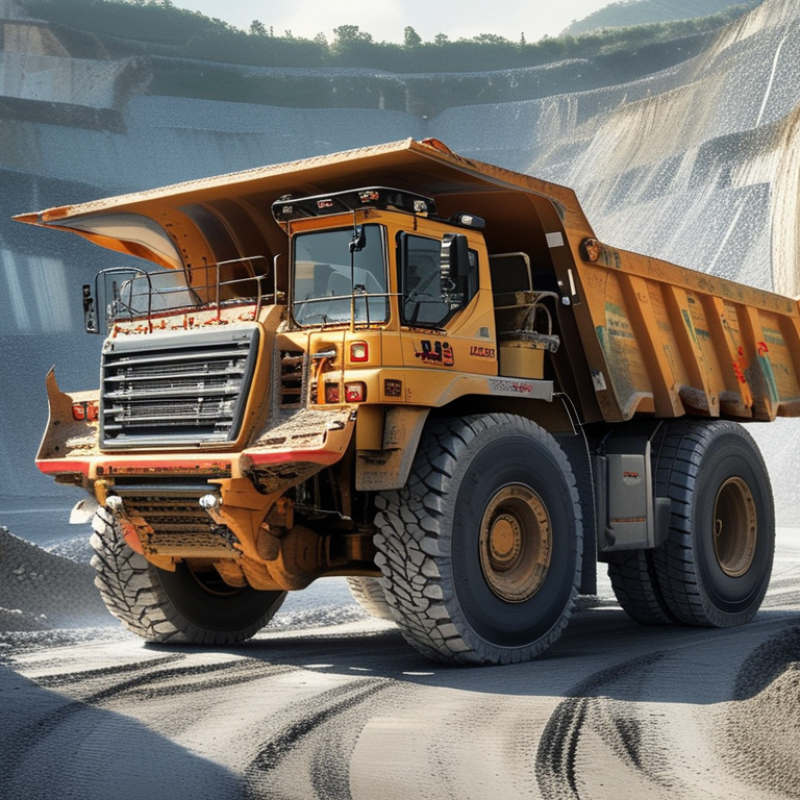
Top 4x2 Dump Truck Manufacturers for Global Buyers

4x2 Dump Trucks: Definition, Design, and Primary Applications

Top 4x2 Dump Truck Manufacturers for Global Buyers

A 4x2 dump truck has two axles and four wheel positions, with one powered axle. The rear axle usually drives the truck, while the front axle handles steering. This layout keeps the vehicle lighter than a 6x4 model. It also reduces tire, fuel, and maintenance costs on suitable roads.

Its design centers on a rigid chassis, hydraulic lifting system, and steel tipping body. The body may use reinforced floors and sidewalls for sand, gravel, soil, or demolition debris. A short wheelbase improves turning in narrow streets and crowded construction sites. However, weight distribution matters. An overloaded front section can reduce steering control and accelerate suspension wear.

In practical fleet inspections, buyers should check payload ratings, hydraulic response, brake performance, and frame weld quality. Ground clearance and axle strength also deserve attention when routes include rough access roads. A 4x2 truck performs well in urban construction, municipal maintenance, quarry support, and agricultural material transport. It is less suitable for deep mud or steep unpaved routes. No design is perfect. Choosing a smaller truck only to reduce purchase cost can create higher repair expenses later. Local service access, spare-part availability, and operator training often influence reliability more than brochure figures.

Top 4x2 Dump Truck Manufacturers for Global Buyers - 4x2 Dump Trucks: Definition, Design, and Primary Applications

Vehicle Category 4x2 Configuration Typical Gross Vehicle Weight Typical Payload Typical Engine Output Dump Body Capacity Primary Applications Key Design Features
Light-Duty 4x2 Two axles with one powered rear axle; commonly configured with a single front axle and a rear axle. Approximately 3.5–7.5 tonnes Approximately 1.0–3.5 tonnes Approximately 100–180 hp Approximately 3–8 m³ Urban construction, landscaping, municipal maintenance, farm-to-market transport, and light aggregate delivery. Compact wheelbase, high maneuverability, hydraulic tipping system, and suitability for narrow streets.
Medium-Duty 4x2 Two-axle layout with rear-wheel drive; rear tires may be single or dual depending on axle rating and payload requirements. Approximately 7.5–15 tonnes Approximately 3–8 tonnes Approximately 160–280 hp Approximately 6–12 m³ Road construction, residential development, sand and gravel hauling, waste transfer, and general material transport. Balanced payload-to-cost ratio, reinforced chassis, PTO-driven hydraulics, and improved braking capacity.
Heavy-Duty 4x2 A two-axle rear-wheel-drive truck designed for higher legal axle loads on paved roads and well-maintained job sites. Approximately 15–19 tonnes Approximately 7–12 tonnes Approximately 240–360 hp Approximately 10–18 m³ Large-scale earthmoving, quarry-to-site delivery, infrastructure projects, and bulk aggregate transport. High-strength ladder frame, heavy rear axle, multi-leaf suspension, durable steel body, and enhanced cooling system.
On-Road Construction 4x2 Two axles and one driven rear axle, optimized for regular highway travel between loading points and construction sites. Approximately 12–18 tonnes Approximately 5–10 tonnes Approximately 200–330 hp Approximately 8–16 m³ Asphalt, crushed stone, demolition debris, soil, and other bulk materials transported over mixed urban and highway routes. Road-oriented gearing, air-assisted braking, compliant lighting and safety systems, and a rear-tipping body with tailgate.
Buyer Note: Specifications are representative international ranges rather than fixed standards. Actual payload, gross vehicle weight, body volume, engine output, axle rating, and dimensions vary according to local regulations, body material, chassis configuration, suspension, drivetrain, and operating conditions.

Key Factors for Evaluating Global Dump Truck Manufacturers

Choosing a 4x2 dump truck manufacturer requires more than comparing prices and brochure photos. I look for proven field experience, transparent specifications, and consistent production quality. A capable manufacturer should explain payload limits, axle ratings, hydraulic pressure, and body volume clearly. Vague answers deserve caution.

Request factory inspection records, quality certificates, and independent test results. Ask how frames are checked for weld cracks and how hydraulic cylinders are tested. During a site visit, inspect paint coverage, hose routing, cab sealing, and brake assembly. Small details matter. A truck carrying gravel on rough roads needs reinforced suspension and dependable tipping control. Test reports should reflect local temperatures, road conditions, and emission requirements.

After-sales support often separates reliable suppliers from attractive sellers. Confirm spare-parts availability, technician training, warranty response times, and service coverage near the operating site. Speak with current users, not only sales representatives. Their comments may reveal recurring issues with tires, wiring, or tipping speed. I have found that advertised payloads can change with body materials and regional regulations. That is easy to overlook. A lower purchase price may become expensive when parts arrive slowly or downtime interrupts deliveries. Manufacturers should provide practical manuals, clear maintenance intervals, and realistic fuel-consumption data. Perfect claims are rarely convincing. Evidence is better.

Top 4x2 Dump Truck Manufacturers and Their Market Strengths

Top 4x2 Dump Truck Manufacturers for Global Buyers

Top 4x2 Dump Truck Manufacturers and Their Market Strengths

Global buyers should compare manufacturers by regional strength, not advertising alone. A 4x2 dump truck suits urban construction, municipal hauling, and short-distance aggregate work. Grand View Research valued the global construction equipment market at about USD 185 billion in 2023. This signals strong demand, but market reports often group different truck types together. That limitation deserves attention.

The strongest manufacturers usually specialize in four areas. European producers often emphasize emission control, driver safety, and precise payload systems. Asian manufacturers commonly offer competitive pricing, simple maintenance, and broad dealer coverage. North American suppliers typically focus on vocational durability, larger cabins, and strong after-sales support. Emerging-market manufacturers may provide flexible specifications for local roads. Their quality can vary sharply. Check independent test records.

Tips: Request verified payload data, axle ratings, warranty terms, and parts lead times. Compare fuel use under loaded conditions, not brochure averages. The International Energy Agency reports that heavy-duty vehicles remain a major transport emissions source, so engine efficiency matters. Also inspect frame welds, hydraulic-cylinder protection, tire availability, and service response times. A low purchase price may become expensive after one harsh season. Look closely.

Comparing Payload, Technology, Safety, and After-Sales Support

Top 4x2 Dump Truck Manufacturers for Global Buyers

Comparing Payload, Technology, Safety, and After-Sales Support

Payload should match the road, not just the brochure. A practical 4x2 dump truck often carries 8 to 12 tonnes, depending on local regulations and body design. Buyers should check axle ratings, frame strength, tipping angle, and actual kerb weight. A larger steel body may reduce useful payload. That detail is easy to miss.

Technology can improve daily control. Look for fuel monitoring, diagnostic displays, reverse cameras, and electronic braking systems. These features matter when trucks operate in crowded sites or remote areas. However, more electronics can create repair delays without trained technicians. Simpler systems sometimes perform better in dusty conditions. This is worth questioning.

Safety needs practical verification. Inspect visibility, cabin protection, hydraulic locking, lighting, and emergency controls. Request braking data under loaded conditions, not empty conditions. After-sales support deserves equal attention. Reliable suppliers should provide parts lists, service schedules, technician training, and response times in writing. A nearby parts warehouse can matter more than a polished sales presentation. Buyers should also test warranty procedures with one small claim before placing a large order. Mistakes happen. The real measure is how quickly they are corrected.

Top 4x2 Dump Truck Manufacturers for Global Buyers

This anonymous benchmark compares common published specification ranges for 4x2 dump trucks. Payload, engine output, gross vehicle weight, and warranty duration are shown as separate scales to preserve their original units. Final specifications, safety equipment, and after-sales terms should be confirmed with the supplier before purchase.

How Global Buyers Can Select the Right 4x2 Dump Truck Supplier

Top 4x2 Dump Truck Manufacturers for Global Buyers

How Global Buyers Can Select the Right 4x2 Dump Truck Supplier

Selecting a 4x2 dump truck supplier requires more than comparing online prices. Global buyers should match payload, wheelbase, engine output, and body volume to actual work. A truck hauling sand on paved roads differs from one serving rough construction sites. Ask for rated payload data, not optimistic marketing figures. Check axle ratings, brake performance, tire sizes, and hydraulic cycle times. Small details matter. Request drawings and a complete equipment list before negotiation. Missing accessories can disrupt delivery schedules and increase the final cost.

A dependable supplier should provide clear factory records, traceable component information, and practical export experience. Review production photos, inspection reports, warranty terms, and spare-parts availability. Speak with recent overseas customers when possible. Their comments often reveal response times after delivery. Do not judge service by polished brochures alone. Ask who diagnoses faults, where parts ship from, and how technicians communicate across time zones. A written support process is stronger than a friendly promise.

Buyers should verify local certification, lighting requirements, emissions rules, and road-weight limits before ordering. These checks prevent expensive modifications at arrival. Compare total ownership costs, including fuel use, tires, maintenance, downtime, and resale prospects. A lower purchase price may hide weak after-sales support. I would also arrange an independent pre-shipment inspection. It adds time, but it can expose leaks, poor welds, or mismatched specifications. My selection process is not flawless; I once underestimated terrain and overvalued brochure payload figures. That mistake still shapes better questions today.