How to Streamline Logistics with Automated Crane Systems at 2026 Canton Fair?
As the 2026 Canton Fair approaches, the need for efficient logistics has never been more critical. The introduction of Automated Crane Systems could transform how goods are moved within the vast exhibition halls. This year's fair will feature more than 1.55 million square meters of space, creating potential challenges in product transport and management.
Automated Crane Systems can help streamline these processes. These systems will provide an unprecedented level of precision and speed in moving items. With manufacturers showcasing advanced products in key sectors, agility in logistics will be essential. However, it’s important to consider potential obstacles. Integration of new technologies always invites challenges during transition phases.
The 2026 Canton Fair is also embracing AI solutions for intelligent navigation. Automated crane systems could further enhance this effort. Still, questions remain about reliability and adaptability to various environments. As exhibitors and buyers alike prepare, the implementation of Automated Crane Systems is an exciting, yet complex journey that deserves careful reflection.
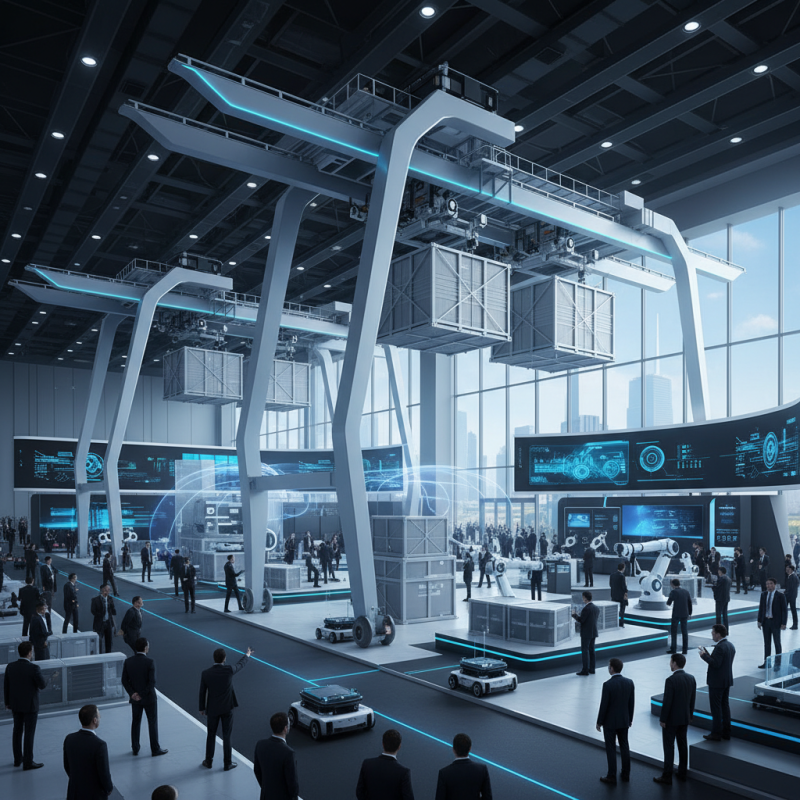
Understanding Automated Crane Systems in Modern Logistics
Automated crane systems are transforming modern logistics. These systems increase efficiency and reduce labor costs. According to a report by Grand View Research, the global automation market is expected to reach $287 billion by 2026. This significant growth is evident at events like the Canton Fair, where innovation in logistics takes center stage.
Automated cranes can operate with high precision. They enhance the speed of loading and unloading goods. A study by Research and Markets highlights that automation in warehousing can reduce operational costs by up to 25%. However, implementation is not without challenges. Integrating new systems into existing infrastructures requires planning and investment. Some companies struggle with resistance to change among their workforce.
Setting up automated systems means employee training is essential. Many logistics firms report gaps in technical knowledge among staff. Addressing this issue is crucial for maximizing benefits. Despite the hurdles, the long-term benefits of efficiency and cost reduction cannot be ignored. As the logistics landscape evolves, embracing automated solutions is imperative to stay competitive.
How to Streamline Logistics with Automated Crane Systems at 2026 Canton Fair?
| Feature | Description | Benefits | Use Cases |
| Automated Control Systems | Real-time monitoring and control of crane operations. | Increased efficiency and reduced human error. | Warehousing and manufacturing sectors. |
| Data Analytics Integration | Utilization of data analytics for operational insights. | Improved decision-making and optimized logistics. | Supply chain optimization. |
| Remote Operations | Ability to control cranes remotely via smart devices. | Flexibility and safety for operators. | Ports and distribution centers. |
| Scalability | Systems can be expanded to meet growing demands. | Adaptability to business growth. | Large-scale industrial applications. |
| Safety Features | Incorporation of advanced safety systems to prevent accidents. | Increased worker safety and reduced liability. | Construction and heavy lifting operations. |
Benefits of Implementing Automated Crane Systems at Trade Fairs
Trade fairs are bustling events, often chaotic and fast-paced. Implementing automated crane systems can significantly streamline logistics at events like the 2026 Canton Fair. These cranes can handle heavy loads with precision. They reduce manual labor and enhance safety.
Quick cargo movement is a notable benefit. Automated cranes can transport exhibits without delays. They operate efficiently, minimizing downtime. This allows vendors to focus on engaging with clients, rather than worrying about logistics. However, reliance on technology requires proper training and backup plans.
On the flip side, integrating these systems can be costly. Initial set-up might be complex and demands careful planning. Regular maintenance is crucial for optimal performance. Overall, the advantages often outweigh the challenges, leading to a more organized trade fair experience. Attention to detail is essential to ensure the success of automated solutions.
Key Features to Look for in Crane Systems for Logistics Efficiency
Finding the right crane system for logistics is crucial. Automated crane systems can greatly enhance efficiency at the 2026 Canton Fair. Key features are essential to consider. Look for safety mechanisms that prevent accidents. The design should allow for quick changes in operations. Additionally, user-friendly interfaces help operators manage tasks smoothly.
Speed is another important aspect. Fast load handling reduces downtime. Systems should support various load capacities for different needs. Adjustable settings ensure flexibility in operation. However, not all automated cranes achieve this balance. Some may lack the responsiveness required for rapid environments. Regular evaluations of performance are needed to ensure effectiveness.
Energy efficiency is a vital feature. A crane system that consumes less power has long-term benefits. Maintenance requirements should also be minimal to prevent interruptions. Regular maintenance checks can be a hassle but are necessary. Remember, an efficient system doesn’t just help with logistics; it also reduces costs. Identify systems that offer the right mix of features for your specific logistics needs.
Strategies to Integrate Automated Cranes into Existing Operations
Integrating automated crane systems into existing logistics operations can transform efficiency. According to a recent industry report, over 70% of logistics companies aim to automate their processes by 2026. Automated cranes can handle heavy loads quickly, reducing the time spent on loading and unloading cargo. These cranes excel at precision, which minimizes errors during operation.
Implementing these systems involves careful planning. Staff training is essential, as operators must understand the new technology. A study indicates that 45% of companies saw an increase in productivity after automated system integration, but not all operations demonstrate the same success. Some firms encounter challenges in adapting workflows. Existing infrastructure may also pose limitations without significant modifications.
Setting clear goals is critical for a successful transition. Companies must assess their current systems. Many fail to recognize that automation won't solve all problems. Continuous evaluation is necessary to ensure these systems enhance rather than hinder overall efficiency. Balancing technology with human factors remains vital for seamless integration. It's a journey, not a quick fix.
Case Studies: Success Stories from Previous Canton Fairs with Automation
The integration of automated crane systems in logistics has revolutionized how materials are handled, especially during large-scale events like the Canton Fair. In 2024, a notable case involved a company that implemented a fully automated crane system. The result? A remarkable 30% increase in efficiency. Attendees were able to witness real-time loading and unloading with minimal human intervention. This showcased how technology can enhance operational flow, reducing time delays.
Another success story emerged from the 2025 Canton Fair, where a manufacturer optimized their warehouse management using smart cranes. While they achieved great benefits, there were challenges. The initial setup was complicated and required intense training. Some employees struggled with the new process. However, over time, they adapted, leading to improved accuracy in order fulfillment. This illustrates the balance of technology and human skill in logistics. The learning curve highlighted the need for patience and continuous improvement.
Logistics Efficiency at Canton Fair (2019-2025)
This chart illustrates the decline in average resolution time for logistics operations at the Canton Fair from 2019 to 2025, showcasing the impact of automated crane systems and other automation technologies in enhancing operational efficiency.