What is a Plasma CNC Machine and How Does It Work?
A Plasma CNC Machine is an innovative tool in modern manufacturing. Its precision cutting capabilities enable intricate designs and high-quality workpieces. This technology utilizes plasma to cut through various materials. The result is efficient and effective metal fabrication.
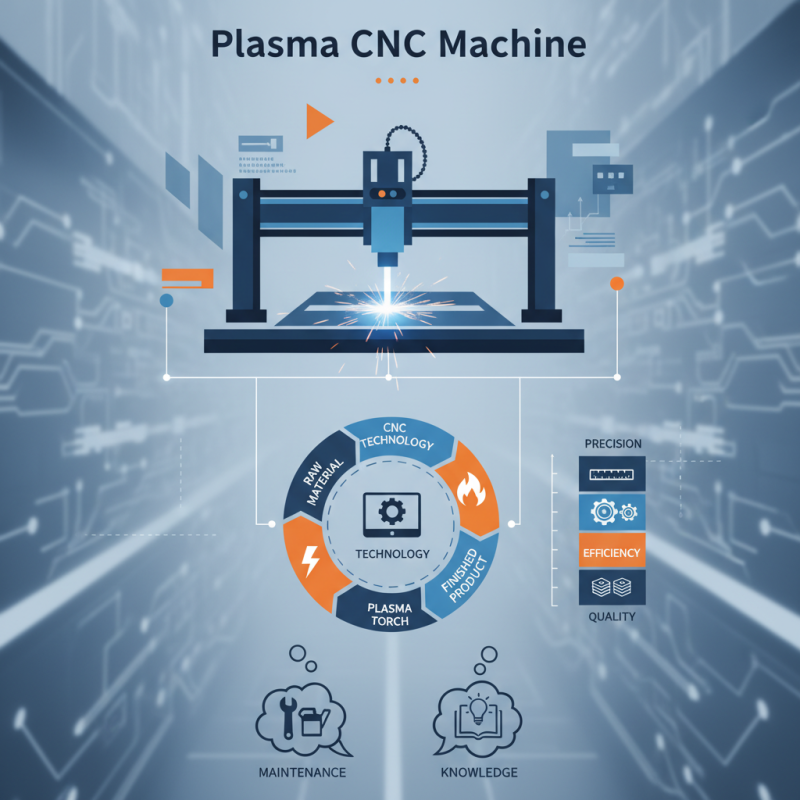
Understanding how a Plasma CNC Machine operates requires some technical insight. The machine combines CNC technology with plasma cutting processes. This synergy allows for automated control and enhances accuracy. It's fascinating to see how this technology transforms raw materials into finished products. Companies often rely on these machines for speed and consistency.
Despite its advantages, there are areas for improvement. Operators need to ensure proper maintenance for optimal performance. Additionally, knowledge of settings and materials is essential to avoid errors. The Plasma CNC Machine represents a remarkable advancement, yet it demands continuous learning and adjustment.
What is a Plasma CNC Machine?
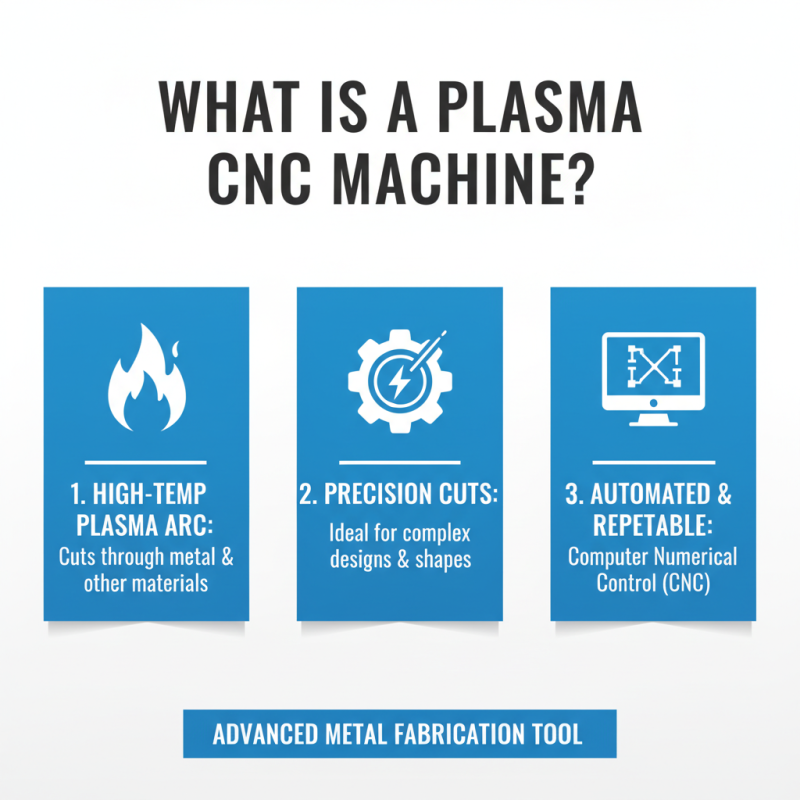
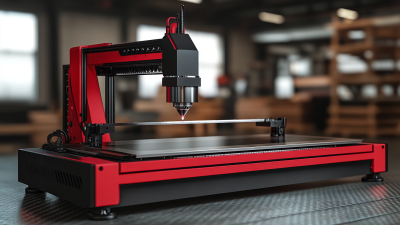
A Plasma CNC machine is an advanced tool used in metal fabrication. It utilizes a high-temperature plasma arc to cut through various materials. This process creates precise cuts, making it ideal for intricate designs. The machine operates through computer numerical control (CNC) systems, allowing for automation and repeatability.
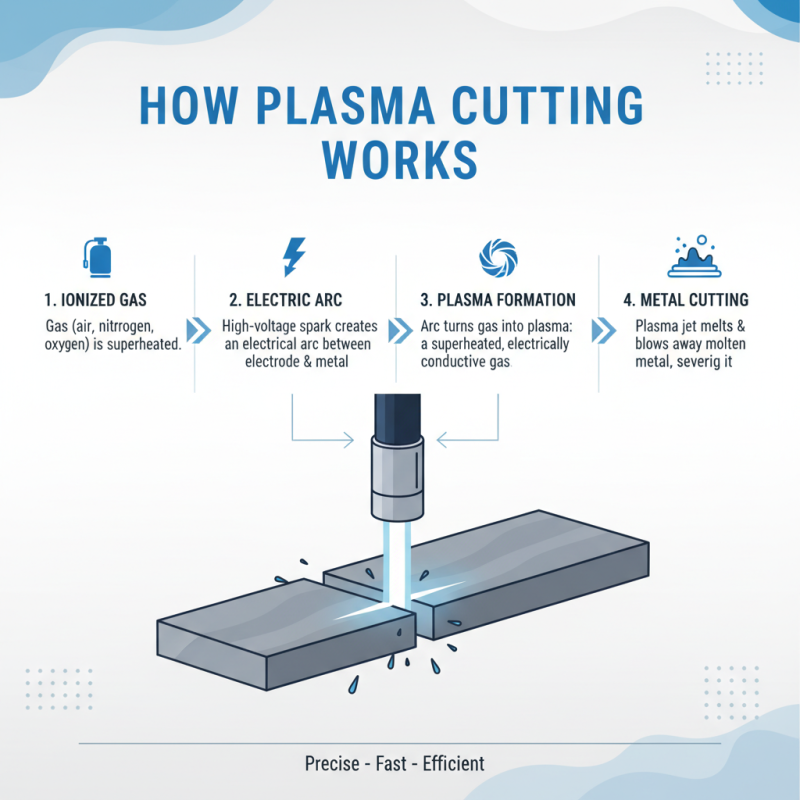
When the plasma cutter is engaged, compressed gas flows through the torch. An electric arc ionizes the gas, creating plasma. This superheated gas reaches temperatures exceeding 20,000 degrees Celsius. Such extreme heat easily melts through metals like steel and aluminum. The CNC system directs the torch along predetermined paths, ensuring accuracy in creation.
However, using a Plasma CNC machine requires careful handling. Operators must understand the machine’s limitations. Improper settings can lead to poor cut quality. Additionally, safety precautions are crucial due to high temperatures and fumes generated. Regular maintenance is vital to keep equipment functioning effectively. This technology offers exciting possibilities, but it demands respect and responsibility in its use.
Components of a Plasma CNC Machine
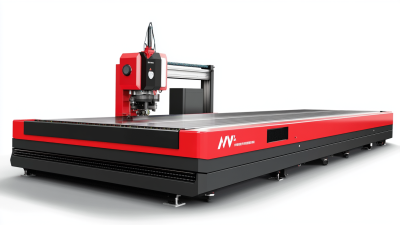
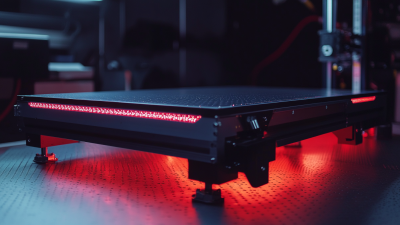
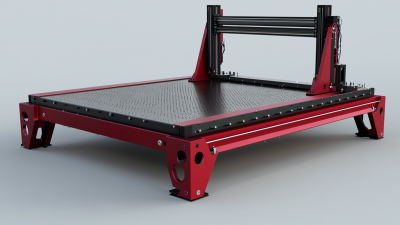
A plasma CNC machine is an advanced tool used for metal cutting and shaping. Understanding its components is vital to appreciate its functionality. The machine typically includes essential elements like the plasma torch, CNC controller, and cutting table. Each part plays a crucial role in the cutting process.
The plasma torch generates a high-temperature plasma arc. This arc is created by ionizing gas, which becomes extremely hot and can melt metals. The CNC controller directs the torch movements. It translates digital designs into precise motions. Industry reports suggest that precise control can increase efficiency by up to 50%. A well-designed cutting table supports the material and helps in maintaining accuracy.
Another important aspect is the cooling system, which prevents overheating. Overheating can damage components and reduce reliability. Reports indicate that proper cooling extends the lifespan of the machine significantly. However, operators often face challenges in maintaining consistent cooling levels. This can impact overall cutting quality, leading to materials wasted or parts not meeting specifications.
How Plasma Cutting Technology Works
Plasma cutting technology operates on a fascinating principle. It uses an ionized gas, called plasma, to slice through metal. This process involves generating a high-temperature arc between an electrode and the metal. The heat transforms the gas into plasma, allowing it to conduct electricity and melt the metal.
Precision is key in plasma cutting. A high-velocity jet of plasma blows away the molten material, resulting in clean edges. Factors like gas flow rate and nozzle design play crucial roles in cutting efficiency. However, achieving perfection can be challenging. Variations in material thickness and type can lead to inconsistencies in the cut quality.
Operators need expertise to navigate these variables effectively. They must adjust settings based on the specific metal being cut. Sometimes, a trial-and-error approach is necessary. This can lead to unexpected outcomes but ultimately builds skill. Learning from mistakes is part of mastering this technology. Through experience, operators can refine their techniques and achieve better results over time.
Applications of Plasma CNC Machines
Plasma CNC machines are widely used in various industries due to their versatility and precision. They are particularly effective in metal fabrication and cutting. From automotive parts to artistic metal sculptures, these machines can handle diverse tasks. Their ability to cut through thick metal sheets makes them indispensable in manufacturing settings.
In the construction industry, Plasma CNC machines are essential for creating intricate designs and structural components. They can fabricate beams, brackets, and supports with high accuracy, saving time and reducing waste. The artistic community also benefits from these machines. Artists utilize them to design detailed sculptures that would be challenging to create manually.
However, there are challenges to using Plasma CNC machines. Operators must receive proper training to maximize efficiency. If misused, these machines can lead to poor cuts and unsafe practices. Ensuring the machines are maintained is crucial, yet some may overlook this aspect. Understanding the limitations of Plasma CNC technology is essential for achieving optimal results. Each project offers learning opportunities and areas for improvement.
What is a Plasma CNC Machine and How Does It Work? - Applications of Plasma CNC Machines
| Feature |
Description |
Applications |
| Cutting Method |
Uses high-temperature plasma arc to cut through conductive materials. |
Metal fabrication, automotive parts manufacturing. |
| Materials |
Commonly used on metals like steel, aluminum, and copper. |
Construction, shipbuilding, artwork metal cutting. |
| Speed |
High cutting speeds compared to traditional methods. |
Fabrication shops requiring quick turnarounds. |
| Precision |
Offers precise cuts with a small kerf width. |
Detailed metal designs, prototypes. |
| CNC Integration |
Fully automated with computer numerical control for accuracy. |
Automation in manufacturing processes. |
| Cost-Efficiency |
Reduces waste material and achieves faster production rates. |
Bulk production of components. |
Advantages of Using Plasma CNC Machines
Plasma CNC machines have revolutionized the precision cutting industry. They utilize a high-velocity jet of ionized gas, creating a superheated plasma arc to melt and cut materials. This technology offers numerous advantages over traditional cutting methods.
One significant benefit is efficiency. Reports indicate that plasma cutting can produce up to five times the speed of conventional methods. This increases productivity on the shop floor considerably.
Cost-effectiveness is another key advantage. Plasma CNC machines have lower operational costs, reducing the overall expenditure for fabricators. According to industry data, companies can see a reduction in labor costs by up to 30% by switching to plasma cutting. Moreover, the precision of cuts allows for minimal material waste, further enhancing cost savings.
Tip: Regular maintenance of your plasma CNC machine ensures consistent performance. Clean the electrodes and nozzles frequently to avoid defects in cuts.
Additionally, plasma machines can cut a wide variety of materials, including steel, aluminum, and even some composites. However, their effectiveness can vary based on material thickness. It's essential to choose the right settings to achieve optimal results. Unintended errors can arise if adjustments do not match the material specifications. Understanding the machine’s capabilities is crucial for achieving high-quality cuts consistently.
Tip: Invest in training for operators to maximize the machine’s potential. Well-trained staff can leverage the technology for innovative applications.