What is a Laser Cutting Table and How Does It Work?
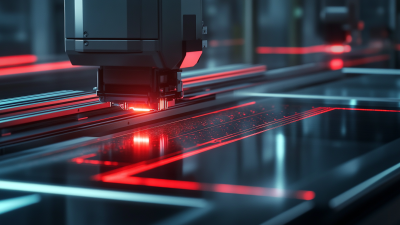
The Laser Cutting Table is a remarkable tool in modern manufacturing. It uses focused laser beams to cut various materials with high precision. This technology has transformed industries, from metalworking to textiles and even woodworking. A Laser Cutting Table provides fast and efficient cutting, allowing for intricate designs that were once difficult to achieve.
Understanding how a Laser Cutting Table works reveals its advantages. The process involves directing a laser beam onto the material, melting or vaporizing it. This method reduces waste and improves accuracy. Users appreciate the ability to create custom pieces quickly. However, it requires skilled operators who understand the technology's intricacies.
While the benefits are clear, challenges exist. Settings and calibrations must be precise. Inexperienced users may encounter issues like uneven cuts or burns on the material. A deeper understanding of this equipment, however, leads to improved results. The reliability of a well-maintained Laser Cutting Table can elevate any project, making it a valuable asset in any workshop.
Definition of a Laser Cutting Table and Its Purpose
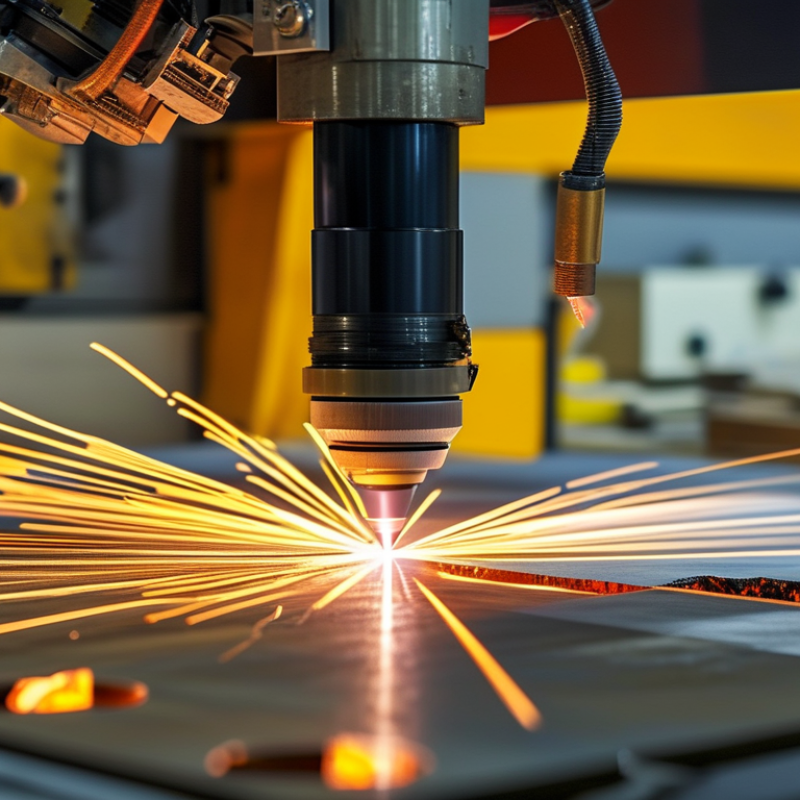
A laser cutting table is a specialized piece of equipment used for precise cutting of materials. At its core, it utilizes a high-powered laser beam to melt, burn, or vaporize the material. The table can accommodate various materials such as metals, plastics, wood, and textiles, making it a versatile tool in industries ranging from manufacturing to architecture. The accuracy of laser cutting often reaches tolerances as tight as 0.1mm, which is essential for intricate designs.
According to a report by the International Market Analysis Research and Consulting, the global laser cutting market is projected to grow significantly. By 2025, the market is expected to surpass $5 billion, driven by innovations in technology and a growing demand for energy-efficient, precise cutting methods. Despite its advantages, the high initial investment for a laser cutting table can be a barrier for some businesses. It requires careful consideration and planning to ensure costs align with production needs.
Furthermore, while laser cutting technology offers speed and precision, it is not without limitations. For example, thicker materials may not achieve the desired cut quality. There is also a risk of heat-affected zones, which can alter the material properties. Thus, operators must be well-trained to mitigate these issues and optimize the cutting process effectively. This highlights the need for expertise in both the technology and the material properties being processed.
Components of a Laser Cutting Table and Their Functions
A laser cutting table is an intricate system designed for precision cutting. It has several key components, each playing a crucial role. The laser source generates a high-powered beam that can cut through various materials. Common sources include CO2 lasers and fiber lasers. The choice of laser affects cutting speed and quality.
The motion system allows the cutting head to move accurately. This system consists of motors and guides, ensuring that cuts are precise. Some tables have a computerized control system for enhanced accuracy. The material handling part is equally important, as it supports the material being cut. Some tables even have automatic material loading systems.
Most laser cutting tables also feature a cooling system. This prevents overheating during operation. While the technology is advanced, achieving consistent results can be challenging. Factors like material type, thickness, and cutting speed require careful adjustment. Understanding these components helps users optimize their cutting processes. It's a blend of art and science, consistently evolving as technology advances.
The Operating Principles Behind Laser Cutting Technology
Laser cutting technology operates using a focused beam of light to slice through various materials. The core principle lies in the interaction between the laser beam and the material. The concentrated energy from the beam heats the material, causing it to melt or vaporize. The result is clean, precise cuts that often require minimal finishing work.
Different materials respond uniquely to laser cutting. Metals may require higher power settings, while plastics and woods often cut more easily. The speed of the cutting process also varies, influenced by factors like material type and thickness. A key challenge in laser cutting is managing heat-affected zones, which can alter material properties. Controlling the beam’s focus and speed can help mitigate these effects.
Understanding the technology’s strengths and limitations allows users to optimize their cutting projects. Mistakes can occur, particularly with intricate designs. Patience is essential, as experimentation often leads to better results. Each project offers opportunities to learn and improve, enhancing one's mastery of the laser cutting table.
Applications of Laser Cutting Tables in Various Industries
Laser cutting tables have revolutionized manufacturing across various sectors. In the automotive industry, for instance, precision and speed are paramount. According to a report by the International Journal of Advanced Manufacturing Technology, laser cutting can improve production efficiency by up to 50%. This technology allows manufacturers to cut complex shapes from metal sheets with minimal waste.
In the aerospace sector, laser cutting is employed for lightweight components. The Aerospace Industries Association indicates that precision is crucial for safety and performance. Laser cutting ensures that parts meet exact specifications, reducing the need for extensive rework. Additionally, in the jewelry industry, intricate designs are readily created using laser cutters, enhancing creativity. The versatility of these tables offers significant advantages, yet challenges remain in terms of initial setup costs and operator training.
Further, laser cutting tables enable businesses to stay competitive. A study from MarketsandMarkets mentions that the global laser cutting machine market is projected to reach 5.6 billion USD by 2025. Such data reflects the growing reliance on this technology. However, smaller enterprises might struggle to adapt, facing budget constraints and a steeper learning curve. Each sector capitalizes on the benefits, yet the journey to full integration requires careful consideration and investment.
What is a Laser Cutting Table and How Does It Work? - Applications of Laser Cutting Tables in Various Industries
| Industry |
Application |
Materials Used |
Benefits |
| Manufacturing |
Cutting metal components |
Steel, Aluminum |
High precision, efficiency |
| Automotive |
Fabricating parts for vehicles |
Carbon Steel, Plastics |
Reduced waste, custom shapes |
| Aerospace |
Creating complex components |
Titanium, Composites |
Weight reduction, durability |
| Textiles |
Cutting fabric patterns |
Cotton, Polyester |
Speed, intricate designs |
| Electronics |
Circuit board etching |
FR-4, Metal |
Precision, micro-cutting |
Advantages and Limitations of Using Laser Cutting Tables
Laser cutting tables are powerful tools used in various industries. They offer precision and speed in cutting materials like metal, wood, and plastics. However, they come with both advantages and limitations that should be considered.
One key advantage of laser cutting tables is their ability to create intricate designs. The laser beam provides clean edges and minimizes the need for post-processing. This efficiency can significantly reduce production time and costs. Moreover, laser cutting is highly versatile, accommodating a range of materials.
On the downside, the initial investment for a laser cutting table can be substantial. Maintenance costs can also add up over time. Not all materials are suitable for laser cutting, and some may produce harmful fumes. Understanding these limitations is crucial for effective decision-making. In this rapidly evolving technology landscape, users need to stay informed and reflective about their choices.
Advantages and Limitations of Laser Cutting Tables