Why Invest in Lighting Controls for Energy Efficiency?
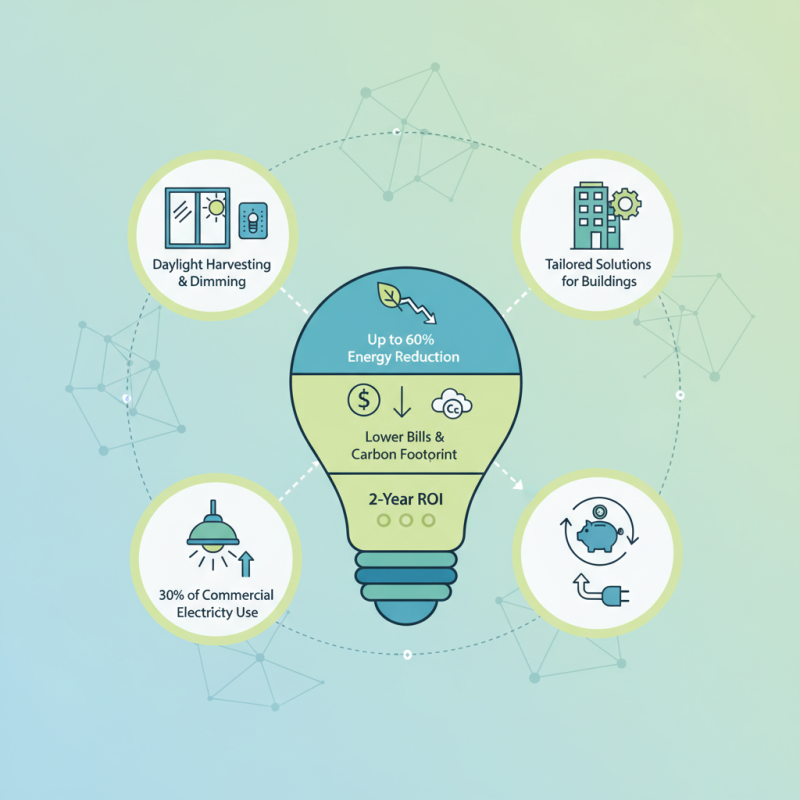
Investing in Lighting Controls is essential for energy efficiency in today’s buildings. According to the U.S. Department of Energy, using advanced lighting controls can reduce energy consumption by up to 60%. This significant reduction not only lowers utility bills but also decreases carbon footprints. With global energy demands increasing, optimizing lighting has become a priority for many organizations.
Lighting Controls offer tailored solutions for various environments. For instance, dimming systems adjust light levels based on natural daylight availability. Such systems create comfortable spaces while saving energy. A report from the American Society of Heating, Refrigerating and Air-Conditioning Engineers highlights that lighting accounts for approximately 30% of commercial electricity use. By implementing effective lighting strategies, facilities can make a substantial impact.
Furthermore, businesses often overlook the long-term savings associated with these controls. Initial costs might seem high, but the return on investment is significant. Studies show that companies that adopted comprehensive lighting strategies can recoup costs within two years. However, understanding how to implement these systems effectively remains a challenge for many. Addressing these gaps in knowledge will be crucial for maximizing energy efficiency outcomes.
Understanding Energy Efficiency in Modern Lighting Systems
Lighting controls play a vital role in enhancing energy efficiency within modern lighting systems. According to the U.S. Department of Energy, buildings that implement advanced lighting controls can achieve energy savings of 30% to 50%. These savings can significantly reduce operational costs and lower the overall carbon footprint of commercial spaces. By integrating sensors, dimmers, and smart systems, facilities can adapt to usage patterns and natural light availability.
For instance, occupancy sensors can ensure lights turn off in unoccupied rooms. This approach not only conserves energy but also extends the lifespan of lighting fixtures. Studies show that LED fixtures paired with intelligent controls can yield savings of up to $600 per year for every 1,000 square feet. However, implementation of these systems requires initial investments. Many building managers grapple with the upfront costs versus long-term savings. Understanding this trade-off is crucial for making informed decisions in energy-efficient upgrades.
The Role of Lighting Controls in Reducing Energy Consumption
Lighting controls play a significant role in energy efficiency. These systems allow users to adjust lighting according to specific needs. For instance, dimmers can reduce energy use while still providing adequate illumination. Occupancy sensors turn lights off when rooms are unoccupied, minimizing energy wastage. This proactive approach leads to noticeable energy savings.
The effectiveness of lighting controls lies in their ability to respond to real-time conditions. Different spaces have varied lighting requirements. A conference room needs bright lights for presentations, while a hallway can function well with softer illumination. Utilizing controls tailored to each area enhances both comfort and efficiency. Additionally, integration with building management systems can optimize performance across large facilities.
Despite their benefits, some businesses hesitate to invest in lighting controls. Concerns about initial costs and complexity are common. However, the long-term savings can outweigh these worries. It’s crucial to consider the potential energy reduction and improved productivity associated with well-designed lighting systems. By reflecting on these factors, organizations can make informed decisions that promote energy efficiency.
Types of Lighting Controls for Enhanced Efficiency
Lighting controls play a crucial role in enhancing energy efficiency. There are various types of lighting controls that can significantly reduce energy consumption. Dimming systems allow users to adjust brightness based on the time of day or activity. This can lead to substantial energy savings, especially in commercial spaces. Occupancy sensors automatically turn lights on or off, ensuring lights are only used when necessary.
Smart lighting is becoming increasingly popular. These systems use advanced technology to optimize energy use. They can adapt to changes in natural light, further enhancing efficiency. However, relying on technology alone may lead to issues. Users must understand how to manage these systems effectively. Training staff often becomes an overlooked necessity.
Tips: Regular maintenance of lighting controls is essential. Check for malfunctions to ensure they function properly. Educate all users about the system features. Awareness can prevent misuse and maximize savings. Consider the needs of all spaces. Each area may require different control types for optimal performance. Reflect on your energy goals and adapt your approach as needed.
Why Invest in Lighting Controls for Energy Efficiency? - Types of Lighting Controls for Enhanced Efficiency
| Type of Lighting Control | Description | Energy Savings (%) | Applications | Initial Cost ($) |
| Dimming Controls | Adjusts light levels based on need | 20-40% | Office, Retail, Hospitality | 500-2000 |
| Occupancy Sensors | Turns lights on/off based on presence | 20-60% | Restrooms, Hallways, Meeting Rooms | 100-500 |
| Daylight Harvesting | Uses natural light to reduce artificial lighting | 15-25% | Open Offices, Atriums | 300-1500 |
| Timer-Based Controls | Schedules lights to turn on/off at set times | 10-20% | Warehouses, Parking Lots | 50-300 |
| Smart Lighting Systems | Integrates with IoT for remote control | 30-50% | Smart Buildings, Homes | 1000-5000 |
Economic Benefits of Investing in Lighting Control Systems
Investing in lighting control systems can lead to substantial economic benefits. These systems enhance energy efficiency by optimizing lighting use based on actual needs. For instance, sensors can adjust lights automatically when natural daylight is adequate, significantly reducing energy costs. This not only saves money but also conserves valuable natural resources.
Moreover, businesses often overlook maintenance costs associated with traditional lighting. With lighting controls, the lifespan of bulbs can be extended, resulting in fewer replacements. This can save time and financial resources. Many organizations report up to 30% reduction in energy bills after implementing smart lighting controls. They also find it easier to manage energy consumption over time.
However, it's essential to reflect on initial investment costs. While the long-term savings are clear, upfront expenses can be a barrier. Decision-makers need to weigh these costs against potential savings accurately. Those willing to invest will likely discover that the economic advantages outweigh the initial challenges, creating a more sustainable operational model for the future.
Future Trends in Lighting Controls and Energy Management
The future of lighting controls is closely tied to energy management trends. Smart technologies are emerging. Sensors and automation play a key role. Buildings are becoming more energy-efficient through real-time data collection. This data helps manage energy use more effectively.
Integration with renewable energy sources is also crucial. As buildings harness solar energy, lighting controls optimize its use. This helps reduce reliance on non-renewable sources. However, many buildings lag in adopting these technologies. There remains skepticism about their effectiveness and return on investment.
User-friendly interfaces are essential for widespread adoption. Many existing systems can be complicated. A focus on simplicity can help overcome reluctance. Engaging end-users will drive further innovation. Open dialogues about needs and concerns can lead to better designs. The future is bright, but there are hurdles to overcome.