What is an Injection Machine Robot and How Does It Work?
The Injection Machine Robot industry is rapidly evolving, driven by the demand for efficiency and precision in manufacturing. According to a recent report by MarketsandMarkets, the global market for injection molding robots is projected to reach $4.32 billion by 2026, growing at a CAGR of 8.5%. This growth underscores a critical transformation in automation.
Dr. Emily Tran, a leading expert in industrial robotics, states, "Injection Machine Robots are redefining production standards, providing unmatched accuracy and repeatability." This innovation is not without its challenges. While these robots enhance productivity, they also require skilled personnel for programming and maintenance. Automation may lead to job displacement, raising questions about workforce adaptability.
The integration of an Injection Machine Robot can minimize human error, yet reliance on technology poses risks. Data breaches and machine malfunctions can disrupt production lines. As the industry progresses, balancing automation benefits with operational risks will be vital for sustainable growth. Embracing change while addressing potential pitfalls remains a challenge for many manufacturers.
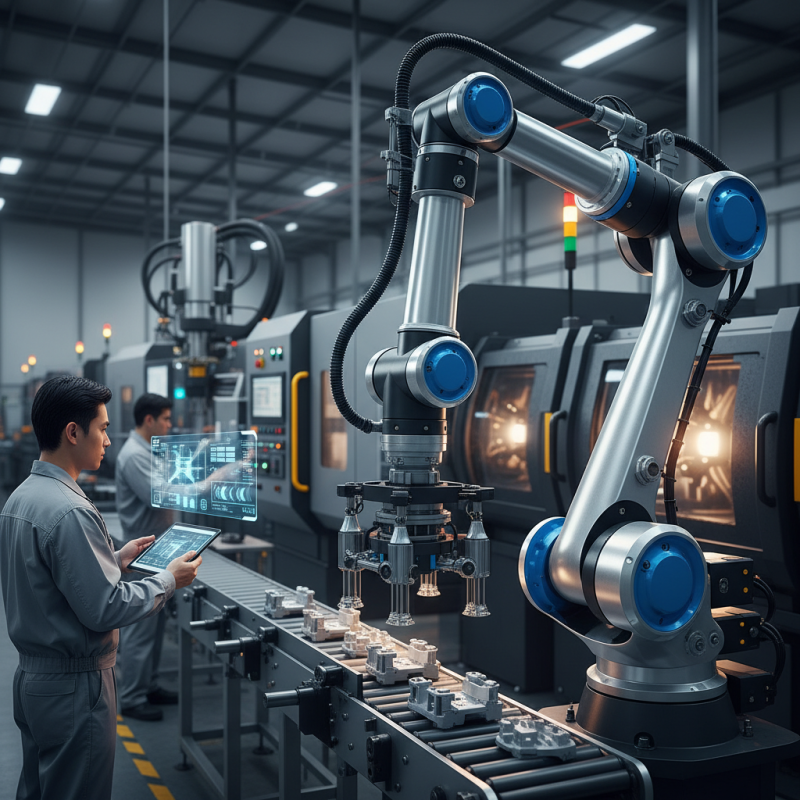
Definition of an Injection Machine Robot and Its Purpose
An injection machine robot is a specialized device used in manufacturing. Its main purpose is to automate the process of injecting materials into molds. This method helps in producing various products, particularly in plastic manufacturing. The robot operates with precision, speeding up production and improving consistency. However, the technology isn’t without flaws.
The design of injection machine robots is intricate. They consist of several components that need to work harmoniously. These include the injection unit, the clamping unit, and the controller. Each part plays a crucial role in the operation. Still, issues can arise. Sometimes, problems with material flow or temperature can lead to defects in the final product. Such challenges require constant monitoring and adjustment.
Operators of these robots must be well-trained. They need to troubleshoot various potential issues that may occur during operations. Maintenance is essential for efficiency. Regular checks on components can prevent costly breakdowns. The balance of automation and human oversight is vital. Continual learning in this field is crucial because technology evolves. It's a journey of improvement, with room for experimentation and adaptation.
Injection Machine Robot Usage Statistics (2022)
Components and Structure of an Injection Machine Robot
The injection machine robot is a complex piece of technology. Its key components play vital roles in the injection molding process. The machine consists of a clamping unit, an injection unit, and a control system. The clamping unit secures the mold during injection, creating a tight seal. This is crucial; any gaps can lead to defects in the final product.
The injection unit is where raw material, usually plastic, is melted and injected into the mold. This process requires precise temperature control and timing. The control system manages the entire operation, ensuring everything runs smoothly. Sensors and algorithms help optimize performance, but they are not foolproof. Sometimes errors arise, leading to waste and inefficiencies.
Additionally, the structure of the robot includes arms and actuators that perform delicate movements. These components must be durable and responsive. However, wear and tear can compromise accuracy over time. Regular maintenance is essential, but it is often overlooked. This oversight can lead to increased downtime and repair costs in production settings.
How an Injection Machine Robot Operates
Injection machines use robots to automate the molding process. These machines are essential in plastic manufacturing. They help create precise parts quickly. The robotic arms pick up molds with accuracy. After the plastic is injected, they remove the finished products.
How does this operation work? The robot starts by loading the mold into the machine. It uses sensors to ensure proper alignment. Once everything is set, the injection process begins. Hot plastic is forced into the mold. The robot then waits for cooling. After the part hardens, the arm moves in to eject it. Sometimes, the robot might miscalculate the timing. This can lead to defects or wasted materials.
Here are a few tips for better operation:
- Regular maintenance keeps machines running smoothly.
- Always check the sensors for any damage.
- Ensuring the molds are clean will prevent unnecessary errors.
- Lastly, train staff properly to handle inconsistencies.
- Continuous learning is key in this field.
Applications of Injection Machine Robots in Industry
Injection machine robots play a crucial role in various industries. They automate the process of injecting materials into molds, which creates a wide array of products. These robots enhance efficiency and precision. In manufacturing, they help reduce waste. However, there are challenges in ensuring consistent quality.
In the automotive sector, injection machine robots produce parts rapidly. They create components for engines, dashboards, and other elements. This process is mostly relied upon for plastic parts. While the robots achieve speed, calibration can sometimes be an issue. Minor errors in injection can lead to defects. It’s vital to regularly check machine settings.
The consumer goods industry also benefits from injection machine robots. They help in producing containers, toys, and household items. These robots can work with different materials, making them versatile. That said, adapting to new materials might require time and adjustments. Continuous training for operators is necessary to keep pace with technological changes.
Future Trends and Innovations in Injection Machine Robotics
The field of injection machine robotics is evolving rapidly. Innovations are driving greater efficiency and accuracy in production. Advanced sensors and AI technologies are embedded in these machines. This can lead to impressive improvements in operational efficiency. However, the integration of these technologies is not without its challenges.
One notable trend is the use of collaborative robots, or cobots. These machines can work alongside human operators seamlessly. They enhance productivity without replacing jobs entirely. Yet, there are concerns about safety. Proper training and safety measures are essential. It’s a balancing act that must be managed carefully.
Another future innovation is the integration of data analytics. Robotics will increasingly rely on real-time data to optimize operations. This may improve decision-making processes drastically. However, the dependence on data also poses risks. Data security and privacy issues must be considered as systems become more interconnected. Without careful planning, these innovations could lead to vulnerabilities.