How to Choose the Right Wheel Loader for Your Business?
Choosing the right Wheel Loader is crucial for optimizing performance and efficiency in various industries. The global wheel loader market is projected to reach $18.9 billion by 2027, according to industry reports. This growth highlights the increasing demand for versatile machinery that can handle diverse tasks. It’s important to select a Wheel Loader that fits your specific operational needs.
When considering a Wheel Loader, factors such as size, power, and fuel efficiency must be assessed. Reports show that equipment downtime due to improper selection can lead to significant financial losses. A Wheel Loader that does not match the demands of your projects can result in inefficiencies. Furthermore, the right model can enhance productivity and reduce operational costs over time.
Yet, many businesses face challenges in making this decision. They may overlook key specifications that directly impact performance. While seeking expert opinions is valuable, relying solely on brand reputation can lead to missteps. Each project has unique demands that warrant careful evaluation. This makes it essential to conduct thorough research and analysis before purchasing a Wheel Loader.
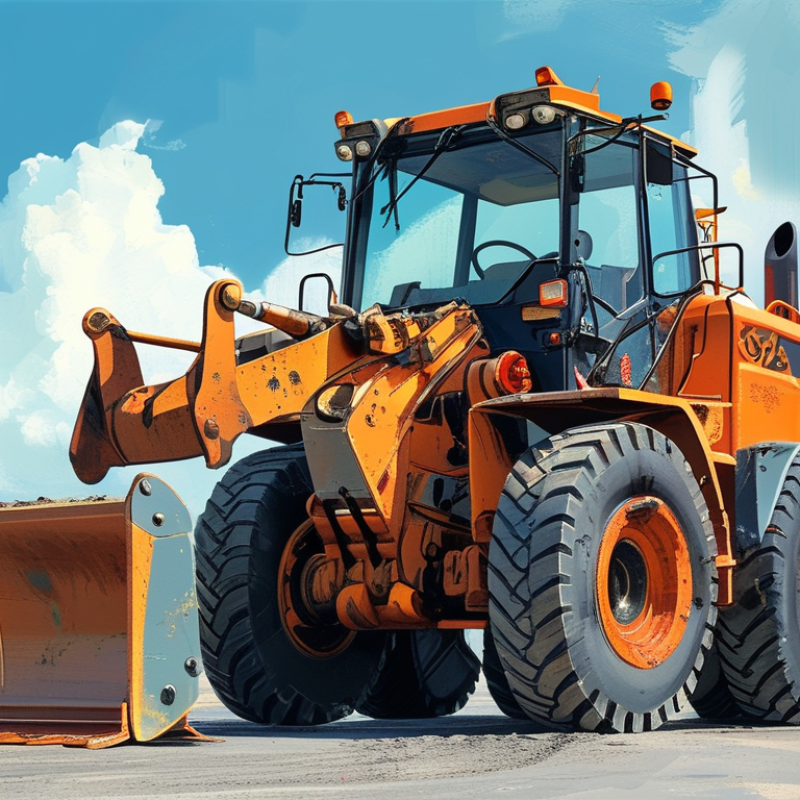
Understanding Your Business's Material Handling Needs
When selecting a wheel loader, it’s crucial to start with a clear understanding of your material handling needs. What materials do you frequently handle? Heavy aggregates? Loose soil? The type of material significantly influences the specifications you should consider. Knowing your average load size helps in determining the necessary load capacity. If you regularly move heavy rocks, you'll need a more robust machine compared to handling lighter materials.
Another key aspect is the work environment. Are you operating on muddy construction sites or in a tight warehouse space? Your choice of wheel loader must align with these conditions. For instance, compact models may be ideal for confined areas, but larger models might be needed for outdoor heavy-duty tasks.
Think about the future, too. As your business grows, so may your material handling demands. Investing in a machine that can adapt to changing needs is wise. Reflect on past projects. Did your equipment meet those requirements, or left you wanting? Gathering insights from your experiences can guide your decision-making process now. Balancing current needs with future growth is not easy but is essential for making the right choice.
Evaluating Different Wheel Loader Sizes and Capacities
Choosing the right wheel loader for your business involves understanding different sizes and capacities. A wheel loader's size can significantly impact its performance in various operations. Reports indicate that companies often overlook the importance of matching the loader size to their projects. This can lead to inefficiencies and increased costs.
For instance, smaller wheel loaders, typically with bucket capacities ranging from 1.5 to 2.5 cubic yards, are ideal for tight job sites. They excel in residential construction and landscaping. Conversely, larger models, with capacities upwards of 5 cubic yards, suit heavy-duty tasks like road construction and quarrying. Many businesses fail to assess their load requirements properly, leading to underutilization or overburdening of machinery.
Additionally, the operational cost and fuel efficiency of different wheel loaders vary with size. The U.S. Department of Energy notes that larger loaders consume significantly more fuel. This disparity could strain a company's budget if not considered. Moreover, each size has distinct maintenance needs. Some businesses may underestimate these ongoing costs. Failing to reflect on these factors could result in substantial long-term implications for the business's bottom line.
Choosing the Right Wheel Loader: Capacity Comparison
Examining Engine Power and Fuel Efficiency Specifications
Choosing the right wheel loader for your business requires careful consideration of engine power and fuel efficiency. These factors significantly impact your operational costs and overall productivity. Engine power determines the loader's performance, especially in heavy-duty tasks. A powerful engine can efficiently handle demanding workloads, reducing the time taken to complete jobs. However, too much power can lead to unnecessary fuel consumption.
Fuel efficiency is equally important. A loader that consumes less fuel can drastically reduce operating expenses. Modern engines often feature advanced technology to enhance fuel efficiency without compromising power. Therefore, closely examine the specifications of different models. Look for engines that utilize cleaner fuel and have lower emissions. This not only benefits the environment but can also lead to tax incentives in some regions.
Tip: Regular maintenance improves fuel efficiency. Keeping the engine tuned ensures optimal performance and reduces fuel waste.
Tip: Consider the type of work you do. More power isn’t always better. Right-sizing your loader can save fuel and costs.
Reflect on your operational needs before purchasing. Understanding the balance between power and efficiency is crucial. Each job might demand something different, and that may shift your priorities.
Assessing Attachments and Additional Features for Versatility
When choosing a wheel loader, assessing attachments and additional features is crucial for versatility. Attachments such as buckets, forks, and grapples can enhance productivity. According to industry reports, selecting the right attachment increases operational efficiency by up to 25%. This improvement can significantly impact your bottom line, especially in competitive markets.
Consider the types of tasks you need to tackle. Different jobs require different attachments. For example, a general-purpose bucket is ideal for moving material, while a high-tip bucket allows for dumping over barriers. Evaluate each attachment's compatibility with your loader. Not all machines can support every attachment effectively. Operational safety is paramount, so ensure that your selections meet industry standards.
Tips: Test attachments before purchasing. This will help assess performance and compatibility. Additionally, consider future project needs. Investing in multifunctional attachments may save costs over time. Researching industry reports can provide insights into which attachments yield the best results. While one size may seem to fit all, every business's needs differ. Reflection on these factors allows for more informed decisions.
Budget Considerations: Purchase vs. Lease Options
When considering wheel loaders, budget is a pivotal factor. The choice between purchase and lease options can greatly affect a company’s financial health. According to a report by the Equipment Leasing and Finance Association, nearly 80% of businesses opt for leasing to preserve cash flow. Leasing allows companies to acquire the machine without the burden of a hefty upfront cost. This can be beneficial for businesses that have fluctuating project demands.
However, leasing does come with its own challenges. Long-term costs might surpass those of purchasing outright. A study from the Association of Equipment Manufacturers indicates that over a five-year period, leasing can cost about 20% more than ownership. Companies must carefully assess their operational needs and projected usage before deciding. Will you use the loader frequently? Or will it sit idle for long stretches?
The depreciation of equipment is another factor. Typically, construction equipment depreciates by about 15-20% annually. This means purchasing might be more advantageous if the loader is used intensively. Every business has unique needs and financial constraints. Analyzing usage, budget, and future growth can help in making a more informed decision.
How to Choose the Right Wheel Loader for Your Business? - Budget Considerations: Purchase vs. Lease Options
| Option | Initial Cost | Monthly Payment | Maintenance Cost | Ownership | Recommended If |
| Purchase | $100,000 | N/A | $5,000/year | Full Ownership | Long-term use and investment |
| Lease | N/A | $2,000/month | Included in lease | No Ownership | Short-term use or cash flow management |