How to Choose the Best Switch Socket for Your Needs?
Choosing the right Switch Socket is crucial for both safety and convenience in your home or office. The market offers a myriad of options, each with distinct features and specifications. This makes the decision challenging. A well-informed choice ensures you get the functionality you need while adhering to local electrical codes.
Understanding the categories of Switch Sockets is essential. There are standard, smart, and weatherproof types, among others. Selecting one based solely on appearance or price can lead to future issues. Quality matters. Investing in reputable brands can save you from inconvenient replacements or potential hazards.
Consider your specific requirements. Will you be using heavy appliances? If so, opt for a socket that supports higher voltage or current ratings. It is important to reflect on your needs. Do you want energy efficiency or advanced smart features? Making an informed decision can enhance your daily routine and ensure safety in your space.
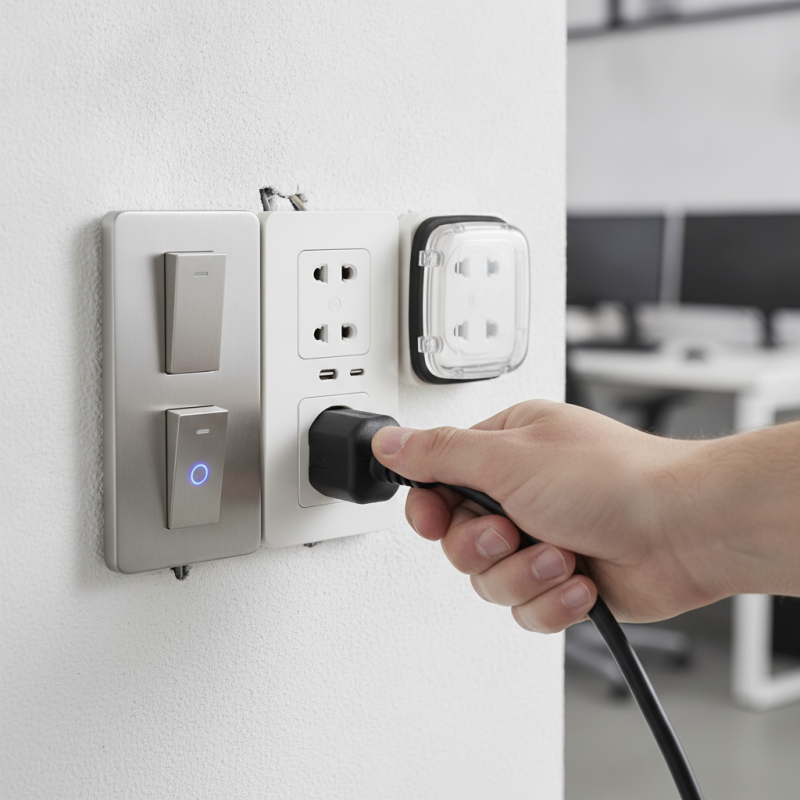
Understanding the Different Types of Switch Sockets Available
When selecting a switch socket, it's vital to understand the different types available. The most common types include toggle switches, rocker switches, and dimmer switches. Toggle switches are widespread in household applications. They are easy to operate and provide a tactile response. Rocker switches, on the other hand, can provide a modern look. They often come in various colors and styles, making them a favorite for designers. Dimmer switches allow for adjustable lighting levels, enhancing ambiance in any room.
Another aspect to consider is the purpose of the switch socket. Some sockets are designed for specific environments, such as outdoor or damp locations. These specialized switches typically offer added protection against moisture. Always check their ratings and certifications to ensure reliability.
Additionally, the installation process can vary among socket types. While some are straightforward, others may require professional assistance. This discrepancy can lead to frustration. It’s essential to assess your own experience and comfort level with electrical work. Choosing a switch socket is not just about aesthetics; functionality and safety are crucial. Think carefully about your needs before making a decision.
How to Choose the Best Switch Socket for Your Needs?
| Type of Switch Socket | Features | Best Suitable For | Average Price |
| Standard Switch Socket | Basic on/off functionality | Residential use | $5 - $15 |
| Dimmable Socket | Adjustable brightness | Living rooms, theaters | $20 - $40 |
| Smart Switch Socket | Remote control via apps | Tech-savvy users | $30 - $70 |
| USB Socket | Integrated USB charging ports | Offices, homes with many devices | $10 - $25 |
| Weatherproof Socket | Rain and dust resistant | Outdoor use | $15 - $35 |
Factors to Consider When Choosing a Switch Socket
Choosing the right switch socket is crucial for both safety and functionality. Various factors play a significant role in this decision. Understanding your specific needs and space requirements is essential. For instance, consider the number of devices you want to connect. A multi-socket option might suit larger rooms, while a single socket may be enough for compact spaces.
When selecting a switch socket, pay attention to the voltage and current ratings. Ensure that the socket can handle the power requirements of your devices. A socket with a lower rating may pose risks, such as overheating. Always double-check specifications before making a purchase.
Tips: Always choose a socket made from durable materials. Quality construction can prevent damage over time. Additionally, consider safety features like surge protection. These can prevent electrical damage during power fluctuations. It's worth noting that aesthetics matter too. A well-designed socket can complement your interior décor while serving its purpose effectively.
Evaluating the Compatibility with Your Electrical System
Choosing the right switch socket for your needs involves clear compatibility with your existing electrical system. It’s crucial to first assess the voltage and amperage requirements. According to the National Electrical Manufacturers Association (NEMA), a mismatch here can lead to inefficiencies, or worse, potential hazards. Most residential systems in the U.S. operate on a standard of 120V, but some appliances require higher voltages. Recognizing the specifications of your electrical panel is essential.
Compatibility also extends to the type of wiring in your home. A study by the Institute of Electrical and Electronics Engineers (IEEE) highlights that outdated wiring could pose a serious risk. Using a switch socket that does not match this wiring can create unsafe conditions. It's advisable to have a professional evaluate your electrical setup. They can provide insights on the compatibility of modern sockets with older wiring systems.
Many users skip this step, leading to frustrations down the line. For instance, an improperly matched switch socket could cause frequent circuit interruptions. This not only affects appliance performance but could also increase your electricity bill. Ensure you understand the intricacies of your electrical system. The right choice now will prevent future complications.
Assessing Safety Features and Standards of Switch Sockets
When selecting a switch socket, safety should be your top priority. Look for sockets that comply with international safety standards. These standards ensure that the socket can handle voltage and current levels without overheating. A well-designed switch socket reduces the risk of short circuits and electrical fires.
Also, inspect for safety features such as shutter mechanisms. Shutters protect children from inserting objects into the socket. Additionally, consider sockets with surge protection. They safeguard your devices from voltage spikes. Ignoring these details can lead to serious accidents.
You might wonder about the materials used. High-quality sockets often use fire-resistant plastic. This feature adds an extra layer of safety. Make sure to avoid lower-quality options, which may not stand the test of time. It’s essential to choose wisely. Reliability and performance are key in ensuring your home remains safe from electrical hazards.
Exploring Aesthetic and Functional Design Options
Choosing the right switch socket can elevate both the aesthetic and functionality of your space. The design of a switch socket should blend seamlessly with your interior style. Consider the materials used: metal finishes offer a modern touch, while wood or ceramic can add warmth. The color and texture play a significant role, too. A sleek black socket can provide a bold statement, while soft pastels may create a serene atmosphere.
Think about user experience as well. The placement of the switch socket is crucial. It should be easily accessible. Misplaced sockets can lead to inconvenience. Also, consider the functionality. Some designed sockets come with integrated USB ports, fulfilling the needs of modern users. However, such features might add complexity. Sometimes, simplicity is more effective.
Aesthetic choices can sometimes overshadow function. It's essential to strike a balance. An ornate design might not fit in practical locations. Reflecting on the overall design of the room helps in making better choices. Ultimately, the right switch socket shouldn’t just look good. It should also serve its purpose effectively.