How to Choose the Right Hydraulic Pumps for Your Business?
Choosing the right Hydraulic Pumps is crucial for any business relying on machinery. Hydraulic pumps are the backbone of various applications, from construction to manufacturing. According to a recent report by Market Research Future, the global hydraulic pump market is expected to reach $12 billion by 2025, growing at a CAGR of 5.3%. This statistic underscores the importance of selecting the appropriate model that suits specific operational needs.
The efficiency and performance of hydraulic pumps directly impact productivity and operational costs. Choosing the wrong type can lead to inefficiencies. For example, underperforming pumps may not support the required pressure or flow rates. This leads to increased downtime and higher maintenance costs. A report by ResearchAndMarkets highlights that improper pump selection can result in up to 20% of a company’s operational budget being wasted on energy and repairs.
Investing time in understanding hydraulic pumps is essential. Businesses should consider factors like application, fluid type, and environmental conditions. Not all pumps are created equal, and blind reliance on standard models may invite complications. Taking a more detailed approach can yield positive results, improving both overall efficiency and long-term satisfaction with your equipment choices.
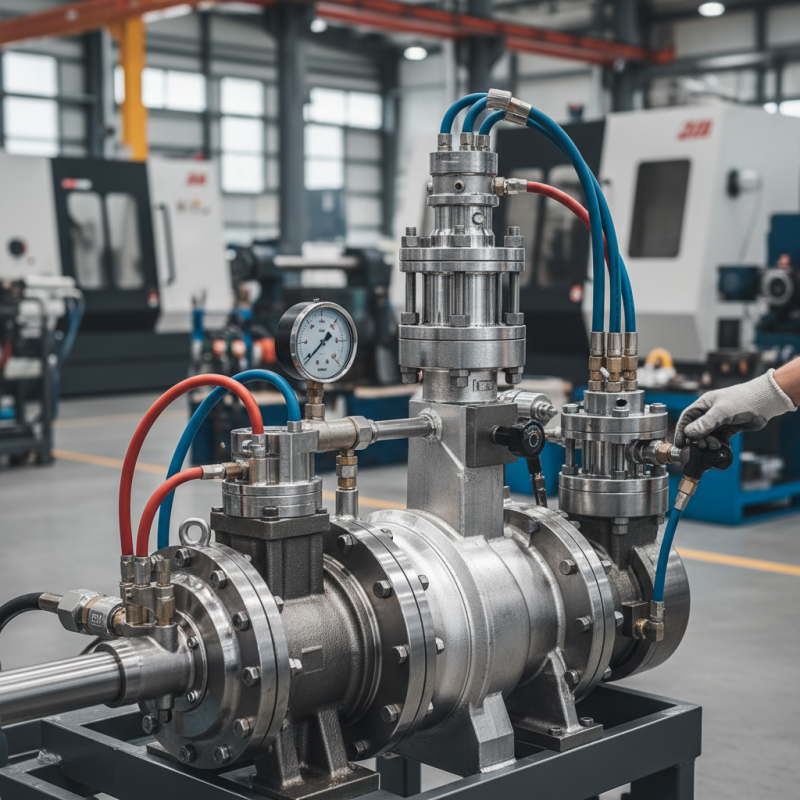
Understanding Different Types of Hydraulic Pumps and Their Applications
Hydraulic pumps are essential for various industrial applications. Understanding the different types can greatly influence the efficiency of operations. You may encounter gear pumps, piston pumps, and vane pumps. Each type serves distinct roles and functions.
Gear pumps are known for their compact size and ability to handle low to medium viscosity fluids. They work well in simple applications, such as lubricating systems. However, they may struggle with high-pressure situations. Piston pumps are versatile and capable of generating high pressure. They are ideal for heavy-duty tasks, but their complexity can lead to more maintenance needs.
Vane pumps offer a balance between efficiency and performance. They are great for moderate pressure and flow rates. Yet, they require careful monitoring for wear and tear. Selecting the right pump ultimately comes down to specific needs and existing equipment. It's vital to assess your operational requirements before making a decision, as a mismatch can lead to inefficiencies and higher costs.
How to Choose the Right Hydraulic Pumps for Your Business?
| Pump Type | Description | Common Applications | Advantages | Disadvantages |
| Gear Pump | Uses gears to pump hydraulic fluid. | Material handling, automotive, and hydraulic systems. | Compact size, high efficiency. | Limited flow rate range. |
| Piston Pump | Uses reciprocating pistons to increase fluid pressure. | Construction equipment, industrial machinery. | High pressure and flow capability. | More complex and requires more maintenance. |
| Vane Pump | Uses vanes mounted on a rotor to pump fluid. | Mobile equipment, marine applications. | Smooth operation and low noise. | Moderate pressure ratings. |
| Diaphragm Pump | Uses a diaphragm to create a variable volume pumping chamber. | Food and beverage, chemical transfer. | Can pump viscous fluids, low maintenance. | Lower maximum pressures. |
Key Specifications to Consider When Selecting a Hydraulic Pump
When selecting hydraulic pumps, key specifications are essential to ensure optimal performance for your business. Flow rate is a crucial factor. It determines the volume of fluid moved and influences system efficiency. For example, a machine operating at 25 liters per minute may require a different pump than one requiring 50 liters per minute.
Pressure rating is another critical specification. High pressure ensures effective lifting and power delivery. Industry reports indicate that pumps need to handle pressures from 80 bar to over 500 bar depending on the application. Lastly, consider pump type. Gear pumps and piston pumps serve different purposes, affecting system versatility.
Tips: Always assess your specific application needs. A small adjustment in pressure can lead to better efficiency. Regular maintenance can help extend pump life. Evaluate manufacturers’ specifications carefully. This reflection can save costs in the long run.
Evaluating the Efficiency and Performance of Hydraulic Pumps
When evaluating hydraulic pumps for your business, efficiency and performance are crucial. According to the Hydraulic Institute, pumps account for about 20% of the world's energy consumption. Therefore, it’s essential to choose pumps that not only meet operational needs but also optimize energy use. High-efficiency models can reduce energy costs significantly. For instance, a 10% increase in pump efficiency can lead to savings of up to 30% in energy costs over time.
Performance metrics like flow rate and pressure rating play a vital role in selection. Reports indicate that miscalculating these can lead to operational inefficiencies. Failing to match pump capacity with the system demand can result in excessive wear and tear. Industry data shows that poorly selected pumps can reduce service life by 30%. Implementing regular performance evaluations can help identify when upgrades are necessary, thus avoiding costly downtime.
Choosing the right hydraulic pumps is not just about metrics. Often, personal experience and expert consultation are necessary for a well-rounded approach. Keep in mind that every business has unique requirements. Engaging with industry specialists could uncover insights that reports may not cover. Balancing empirical data with practical knowledge often leads to the most informed choices.
Performance Comparison of Different Hydraulic Pumps
This chart compares the efficiency of four different types of hydraulic pumps: Piston, Gear, Vane, and Screw pumps. The data shows that Piston pumps have the highest efficiency at 85%, making them a desirable choice for various applications, followed by Screw, Vane, and Gear pumps.
Assessing the Cost-Benefit Analysis for Hydraulic Pump Options
When assessing hydraulic pump options, a thorough cost-benefit analysis is crucial. Industry reports show that the upfront cost of hydraulic pumps can range from $1,000 to over $10,000, depending on specifications. However, performance efficiency and lifespan play a significant role in the long-term financial outcome. A low-cost pump might seem appealing initially but could incur high maintenance costs or have a shorter operational life.
Considering the Total Cost of Ownership (TCO) is essential in your analysis. TCO includes installation, maintenance, and energy consumption. For example, a hydraulic pump with a 90% efficiency can save over $2,000 in energy costs annually compared to a less efficient model. Choosing wisely can lead to significant savings over time, but you must accurately estimate these costs.
It’s also worth noting that market trends show a growing demand for energy-efficient pumps. The push for sustainability can influence costs and benefits. Over time, the integration of newer technologies can lead to unexpected expenses. It's necessary to plan for potential upgrades or changes in energy regulations. Knowledge of these factors can empower informed decisions for your business's hydraulic needs.
Maintenance Considerations for Long-Term Hydraulic Pump Reliability
When it comes to hydraulic pumps, regular maintenance is crucial for long-term reliability. Each component plays a vital role in the system's overall performance. Neglecting even minor issues may lead to significant failures. This can be costly and disruptive to your operations.
Tips: Create a maintenance schedule tailored to your equipment's needs. Regularly inspect hoses, seals, and filters for wear and tear. Keep an eye on fluid levels and quality. Understanding your pump's specifications helps in identifying potential problems early.
Consider environmental factors that could affect your hydraulic pumps. Dust and moisture can lead to corrosion or contamination. Positioning your pumps in clean, controlled areas can mitigate these risks. Nevertheless, it's essential not to overlook the human factor. Staff training on proper handling can reduce operational errors and enhance reliability.
Tips: Document all maintenance activities. Use checklists to ensure nothing is overlooked during inspections. Encourage team members to report any irregular sounds or performance issues immediately. An open dialogue fosters a proactive maintenance culture.
Investing in maintenance not only extends the life of your pumps but also enhances your business's efficiency. Regular assessments and adjustments can ensure that you’re using your equipment optimally.