Why Choose Threaded Rod for Your Next Project?
Threaded Rods are essential components in many construction and manufacturing projects. Industry reports indicate that the threaded rod market is expected to grow significantly, driven by the expansion of construction activities and the demand for durable materials. In 2022, the global threaded rod market was valued at over $3 billion, with a projected CAGR of 5.2% through 2030.
One reason for this growth is the versatility of threaded rods. They can be used in a variety of applications, from securing heavy machinery to supporting structural elements. Their reliability is evident in high-stress environments, such as bridges and high-rise buildings. However, choosing the right type of threaded rod can be a complex decision, requiring expert knowledge.
It's important to consider factors such as material type, length, and coating. Many buyers overlook these details, leading to suboptimal results. For instance, using a galvanized rod in a corrosive environment might not ensure longevity. Ultimately, understanding the specifications and applications of threaded rods will help in making informed project choices.
Benefits of Using Threaded Rod in Construction Projects
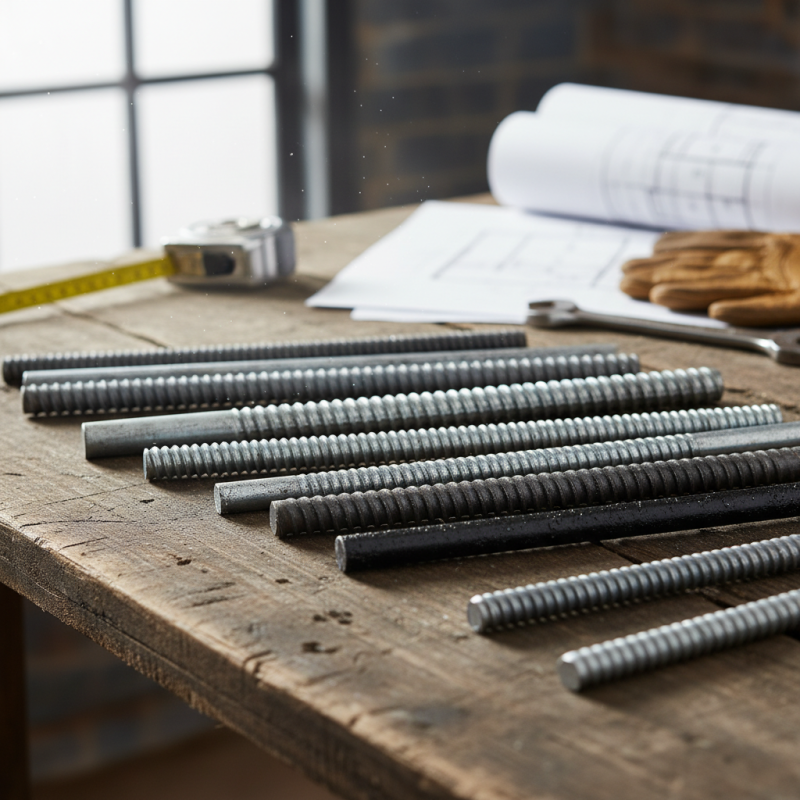
Threaded rods are essential in construction projects for several reasons. They provide exceptional strength and stability, which is critical in supporting heavy loads. Made from durable materials, threaded rods resist corrosion and wear, ensuring longevity in various environments. Their uniform threads allow for easy adjustments and secure connections, making them ideal for both temporary and permanent installations.
One significant benefit of using threaded rods is their versatility. They can be employed in numerous applications, from securing structural beams to anchoring equipment. Adjustments can be made rapidly, and their long length allows customization for specific needs.
While offering many advantages, it’s essential to consider potential challenges. Improper installation can lead to instability or even failure. Careful planning and execution are necessary to maximize their effectiveness. Therefore, a deeper understanding of threaded rods can lead to improved project outcomes in construction.
Understanding the Different Types of Threaded Rods Available
When considering threaded rods for your project, understanding the types available is essential. Common types include standard, stainless steel, and coated rods. Each type has its specific applications due to their varying strength and corrosion resistance. Standard rods are often sufficient for indoor projects, while stainless steel options excel outdoors. They withstand exposure to moisture and harsh environments.
Coated threaded rods provide an added layer of protection. They can be used in specialty applications, such as chemical processing. However, the coating can wear over time, which may require regular inspections. Knowing how each type reacts under different conditions can help you choose wisely.
Consider the load capacity as well. Not all rods are created equal. Miscalculating the required strength can lead to serious failures. Research and understand the specifications before making a decision. Sometimes, the right choice may not seem obvious. Reflecting on past experiences can guide you in selecting the right material for your needs.
Factors to Consider When Selecting Threaded Rods for Your Project
When selecting threaded rods for your project, several factors play a crucial role. Material choice is vital. Stainless steel is durable and resistant to corrosion. However, it can be more expensive than carbon steel. According to industry research, over 40% of engineers prefer stainless steel for outdoor applications.
Length and diameter are equally important. Rods come in various sizes. For example, a 1/2-inch diameter rod can support heavy weights, but using it in tight spaces might be challenging. A recent report indicates that over 25% of construction failures relate to improper size selection.
Thread pitch is another key consideration. Fine threads are ideal for precision work. Coarse threads, on the other hand, provide better grip. About 60% of professionals report that choosing the wrong thread type impacted their projects negatively. Proper assessment of these factors ensures stronger structures and enhances overall safety.
Common Applications of Threaded Rods in Various Industries
Threaded rods are versatile fasteners used in many industries. Their applications range from construction to manufacturing. In the construction sector, threaded rods frequently serve as anchor bolts in concrete. According to the American Concrete Institute, nearly 80% of concrete structures utilize these fasteners for stability and support.
In the manufacturing industry, threaded rods often play a crucial role in machine assembly. They help secure components together, ensuring reliability in operation. A report from the Manufacturing Institute highlighted that 65% of manufacturers rely on robust fastening solutions. This statistic underlines the importance of threaded rods in maintaining productivity and safety.
Moreover, the automotive industry increasingly uses threaded rods for frame assembly and suspension systems. Their strength and adaptability are critical for vehicle safety. The global automotive market analysis revealed that effective fasteners can enhance vehicle durability by up to 30%. These figures emphasize the critical role threaded rods play, yet challenges like corrosion resistance remain a concern. Continuous improvements and innovations are needed to address these issues effectively.
Why Choose Threaded Rod for Your Next Project? - Common Applications of Threaded Rods in Various Industries
| Industry | Common Applications | Material Types | Diameter Range (inches) |
| Construction | Structural supports, securing framework | Steel, Stainless Steel | 1/4 to 2 |
| Manufacturing | Equipment assembly, fixtures | Aluminum, Brass | 1/8 to 1.5 |
| Automotive | Suspension systems, engine mounts | High carbon steel | 3/16 to 1 |
| Aerospace | Mounting components, securing assemblies | Titanium, Alloy Steel | 1/4 to 5/8 |
| Electrical | Cable trays, electrical supports | Galvanized steel, PVC coated | 3/16 to 1 |
Tips for Proper Installation and Maintenance of Threaded Rods
When installing threaded rods, proper techniques are crucial for ensuring structural integrity. Begin by carefully selecting the right material for your project. According to the American Institute of Steel Construction, carbon steel is commonly used, but stainless steel offers better corrosion resistance for outdoor applications. A study from the National Institute of Standards and Technology suggests that correct material choice can enhance performance and longevity.
Installation requires attention to detail. Ensure that threaded rods are securely anchored. Over-tightening can lead to material fatigue, while under-tightening risks structural failure. Research indicates that a torque wrench can help achieve optimal tension in installations. The International Organization for Standardization recommends regular checks and maintenance of exteriors to prevent corrosion buildup on exposed rods.
Routine maintenance is critical yet often overlooked. Current findings indicate that approximately 30% of structural failures relate to inadequate maintenance. Inspect rods periodically for any signs of wear or corrosion. Address any issues promptly to prevent larger problems. Consistent monitoring can extend the lifespan of your installation, ensuring safety and durability.