Why Choose Graphite Bearing for Your Industrial Applications?
In the realm of industrial applications, the choice of materials can significantly impact performance and efficiency. One component that has gained traction is the Graphite Bearing. These bearings offer numerous advantages, setting them apart from traditional materials. Their ability to withstand high temperatures and reduce friction makes them an attractive option.
Graphite bearings excel in harsh environments. Industries reliant on heavy machinery benefit from their resilience and durability. Unlike metal bearings, graphite does not seize, even with increased load. This attribute can lead to cost savings through reduced maintenance and downtime. However, a careful assessment of specific operating conditions is crucial when considering graphite bearings.
Despite their benefits, graphite bearings are not universally suitable. They may not perform as expected in certain situations, like high-speed applications. It's essential to understand their limitations and potential challenges. By recognizing both the strengths and weaknesses, companies can better evaluate whether graphite bearings align with their operational needs. Understanding these nuances is key to making informed decisions in industrial settings.
Understanding Graphite Bearings and Their Composition
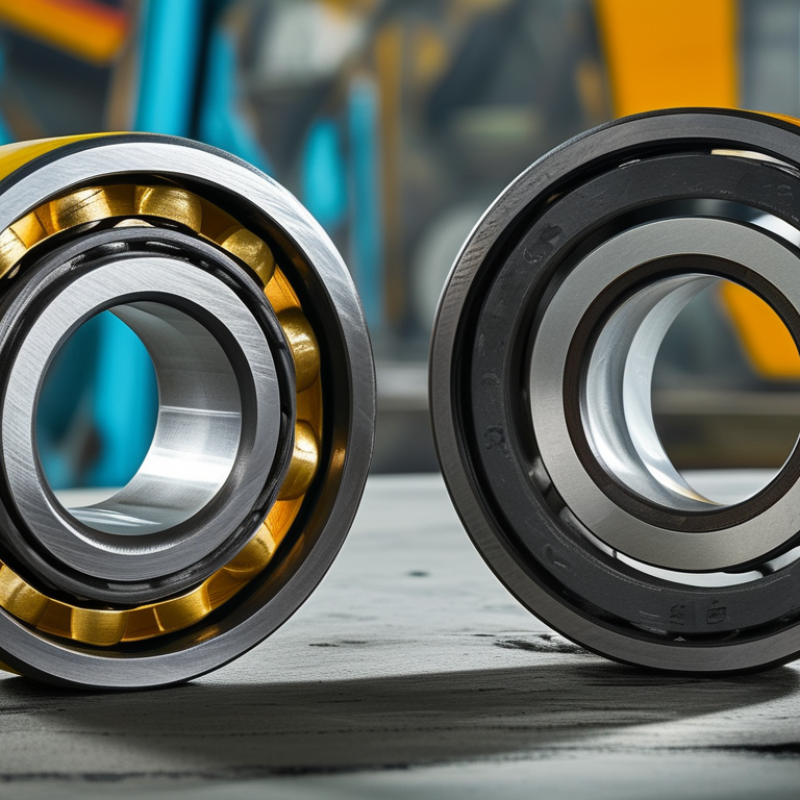
Graphite bearings are essential in many industrial applications due to their unique properties. These bearings are made from a composite of graphite, which is a form of carbon. The graphite structure gives these bearings excellent lubricating qualities. They can operate at high temperatures and withstand harsh environments. This makes them popular choices in industries such as manufacturing and mining.
The composition of graphite bearings includes various additives that enhance their performance. For instance, some contain resin to improve strength. Others might have special fillers to provide additional support. The balance of these components determines the bearing's overall durability and functionality. While graphite bearings offer numerous advantages, they may not be perfect for every scenario. It’s crucial to assess your specific needs before making a choice. Conducting a proper evaluation can prevent premature wear and operational failures.
Key Advantages of Graphite Bearings in Industrial Settings
Graphite bearings offer unique advantages in industrial applications. Their natural lubricating properties reduce friction and wear in machinery. This results in longer equipment lifespan, saving costs on replacements. Moreover, graphite can withstand high temperatures, making it suitable for demanding environments. It's a reliable choice for industries like aerospace and manufacturing.
Another key benefit of graphite bearings is their resistance to corrosion. Unlike metal bearings, they do not rust or degrade when exposed to various chemicals. This reliability allows for smoother operations in facilities handling abrasive materials. However, it’s essential to consider that graphite can sometimes be brittle. Users must assess the specific applications carefully to avoid premature failures.
Ultimately, graphite bearings display a blend of durability and efficiency. Their ability to lower maintenance needs can lead to significant savings over time. Industries looking to enhance productivity should weigh these factors. Choosing the right materials can make a significant difference in operational success.
Applications of Graphite Bearings Across Various Industries
Graphite bearings have become essential in various industrial sectors due to their unique properties. Their ability to withstand high temperatures and pressures makes them suitable for demanding applications. According to a recent study by the International Journal of Manufacturing Technology and Management, more than 35% of industries report significant performance improvements when using graphite bearings.
In the automotive industry, graphite bearings are used in engines and transmissions. They reduce friction and wear, enhancing efficiency. This contributes to better fuel economy, impacting overall vehicle performance. Similarly, in the aerospace sector, graphite bearings help in lightweight designs, crucial for fuel-efficient aircraft. Industry reports indicate that using advanced materials like graphite could improve aircraft fuel efficiency by over 10%.
Tip: Regularly inspect graphite bearings for wear. Performing maintenance can prolong their lifespan and optimize performance.
Another critical area is the chemical processing industry. Graphite bearings resist corrosion from harsh chemicals. They help maintain system integrity. However, it's important to ensure compatibility with specific substances to avoid failures. An unexpected reaction could lead to costly downtime.
Tip: Consider conducting compatibility tests in your applications. This step can prevent unexpected failures and enhance safety.
Graphite bearings are versatile, but they come with challenges. Selecting the right type for specific applications is crucial. A mismatch can lead to reduced efficiency and increased maintenance costs. Industry data emphasizes the importance of informed choices in material selection to maximize operational benefits.
Comparative Analysis: Graphite vs. Traditional Bearings
When comparing graphite bearings to traditional bearings, several key factors emerge. Graphite bearings excel in high-temperature applications, often reaching temperatures above 400°C. Traditional bearings, often made of metal, struggle in these conditions, leading to faster wear and reduced performance. According to industry reports, graphite bearings can last up to four times longer in extreme environments compared to their metal counterparts.
Moreover, graphite bearings have a self-lubricating property. This reduces the need for additional lubricants, which not only saves costs but also keeps the environment cleaner. A study highlights that nearly 70% of maintenance costs in industrial machinery come from lubrication management. Graphite significantly reduces these expenses. However, the initial investment in graphite can seem higher, making companies hesitant.
The load capacity is another consideration. Traditional bearings can bear significant loads but often at a cost. Graphite bearings can handle heavy loads while providing low friction coefficients, which traditional options can’t match. However, this advantage often depends on the specific application. Poor matching can lead to failures, reminding industries to thoroughly analyze their requirements. The choice isn’t always clear-cut; each option comes with its pros and cons.
Comparative Analysis: Graphite vs. Traditional Bearings
Maintenance and Longevity of Graphite Bearings in Operations
Graphite bearings are becoming popular in industrial operations due to their unique properties. These bearings offer excellent self-lubrication, reducing the need for regular oiling. This feature is particularly beneficial in applications where maintenance access is limited. Reduced wear and tear in harsh environments is another advantage.
Regular maintenance of graphite bearings, however, is crucial. Even though they are known for their longevity, neglect can lead to failure. Operators should conduct routine inspections to identify any degradation early. This proactive approach can prevent significant downtime. Simple cleaning techniques can often restore functionality without intricate repair processes.
Longevity can be affected by operating conditions. High temperatures or extreme pressures may compromise their performance. Therefore, understanding the specific application is vital. Each environment poses its own challenges and considerations. When operators reflect on these factors, they can tailor their maintenance strategies effectively to enhance durability and efficiency.