Discover the Best Millet Color Sorter for Your Needs?
When selecting a Millet color sorter, it's crucial to understand your specific needs. The millet processing industry has seen significant growth, with an estimated market size exceeding $1.5 billion in 2022. This showcases the increasing importance of color sorting technology in ensuring product quality.
A reliable millet color sorter can enhance efficiency and reduce waste. Various reports indicate that color sorters can increase yield by up to 98%. Investing in a high-quality color sorter is not just a choice; it's a necessity for staying competitive. However, not all sorters are created equal. Users often struggle to find models that meet their unique requirements.
Many factors, such as sorting speed and accuracy, can affect sorting outcomes. It's essential to weigh these options before making a decision. Failing to choose the right equipment can lead to costly errors. In this competitive market, staying informed and choosing wisely will ultimately determine the success of your millet processing operations.
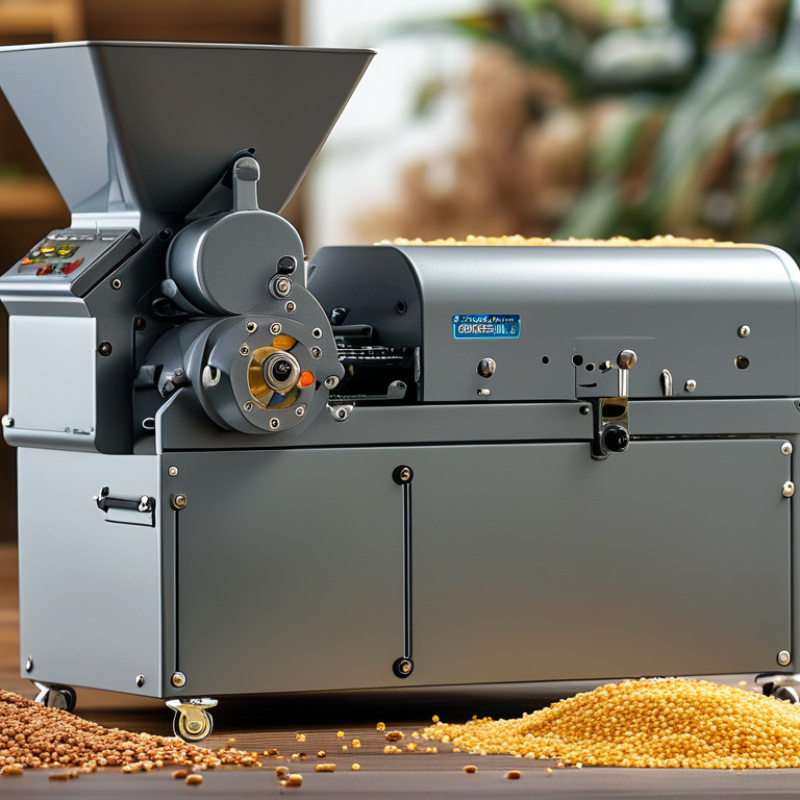
Understanding Millet Color Sorters: Key Features and Benefits
Millet color sorters play a crucial role in the processing industry. They ensure that only the best quality millet reaches consumers. Understanding the key features of these machines can help you make an informed choice.
One important feature is the sensitivity of the sorting mechanism. High-quality sorters can detect subtle color variations. This ensures that defective grains are effectively removed. Some models offer adjustable settings. This allows operators to tailor the sorting process based on specific needs.
Efficiency is another vital aspect. A reliable millet color sorter can significantly increase production speed. However, not all machines are created equal. Some may struggle with larger batches or diverse millet varieties. Regular maintenance is equally important for optimal performance. Users must be prepared for occasional adjustments or repairs. Hence, researching user experiences can provide valuable insights for potential buyers.
Types of Millet Color Sorters: Manual vs. Automatic Models
When choosing a millet color sorter, it's essential to understand the differences between manual and automatic models. Manual sorters require human intervention, which offers flexibility and control. Operators can adjust sorting parameters on the fly, making real-time decisions based on their experience. However, this method can be inconsistent, often leading to fatigue and errors. The sorting speed largely depends on the operator's skills. It’s important to consider whether your team has the capacity to operate manual models efficiently.
On the other hand, automatic millet color sorters offer a more advanced solution. These machines often use advanced sensors and algorithms to detect color differences and contaminants quickly. The sorting process is faster and more accurate, reducing the margin for human error. However, they come with a higher initial cost. Regular maintenance and software updates are necessary to ensure optimal performance. While they save time, they can sometimes require adjustments in case of software issues or mechanical failures. Balancing between cost and efficiency is vital when making your choice.
Factors to Consider When Choosing a Millet Color Sorter
When choosing a millet color sorter, several factors need consideration. Understanding your specific needs is crucial. Not all sorters are the same; some are designed for high efficiency, while others focus on precision. The capacity of the sorter should match your production volume. A high-capacity model may seem appealing, but it might be overwhelming if you operate on a smaller scale.
Another essential aspect is the technology used in the sorter. Advanced optical systems can significantly enhance sorting accuracy. However, technology often comes with a learning curve. Consider your team's ability to operate and maintain complex machinery. Training may be necessary to ensure optimal use, resulting in downtime if overlooked.
Make sure to evaluate maintenance requirements. Some sorters require more attention than others. Regular upkeep is essential to avoid costly breakdowns. Investing in a reliable support system will also save headaches in the future. Comparing different options can be time-consuming, but it is vital to ensure a good fit for your business.
Reflect on your budget carefully. While investing in a high-quality sorter can boost efficiency, make sure it aligns with your financial plans. Taking all these factors into account will lead to a more informed decision, ultimately benefiting your operations.
Top Brands and Models of Millet Color Sorters Reviewed
When looking for the best millet color sorter, understanding the options is crucial. Many models vary significantly in features and pricing. Some sorters are designed for high-throughput operations while others cater to smaller batches. Reading reviews helps in narrowing down choices based on real user experiences. The effectiveness of a color sorter can directly impact the quality of millet processed.
Focusing on top brands reveals that each brings unique advantages. Some excel in sensitivity, detecting slight color variations. Others emphasize speed, processing large quantities efficiently. The complexity of the technology can be daunting. Features like AI integration or advanced cameras might seem appealing but also add to the price tag. It’s essential to weigh the cost against the potential improvement in sorting quality.
Not all models will meet every need perfectly. Some buyers find initial settings complex to adjust. While others may question the durability of parts under heavy use. Real-world effectiveness can vary based on environmental factors too. Reflecting on these experiences can guide future purchases.
Discover the Best Millet Color Sorter for Your Needs
| Model | Sorting Accuracy | Sorting Capacity (kg/h) | Weight (kg) | Power Consumption (kW) |
| Model A | 99% | 150 | 200 | 1.5 |
| Model B | 98% | 120 | 180 | 1.2 |
| Model C | 97% | 100 | 160 | 1.0 |
| Model D | 99.5% | 160 | 210 | 1.8 |
Maintenance and Care Tips for Your Millet Color Sorter
Proper maintenance of your millet color sorter ensures optimal performance and longevity. Regular cleaning is crucial. Dust and residue accumulate in the machine over time. A well-maintained sorter minimizes the risk of contamination. Use a soft cloth to wipe the exterior. For internal cleaning, follow manufacturer guidelines. This helps keep sensors free from debris.
Check for software updates regularly. These updates can improve sorting accuracy and efficiency. Ignoring software can lead to outdated performance. Also, inspect the mechanical parts frequently. Any wear and tear can affect sorting quality. Consider scheduling maintenance checks. Timely interventions can prevent costly repairs.
Creating a log of maintenance activities can help track performance trends over time. This log can serve as a useful reference. Reflect on past maintenance issues. Were they addressed promptly? Addressing concerns early can enhance reliability. Regular care practices not only extend the equipment’s lifespan but also optimize your sorting process.