Skip to content
Menu

Best German Type Flame Lamination Machine China Supplier

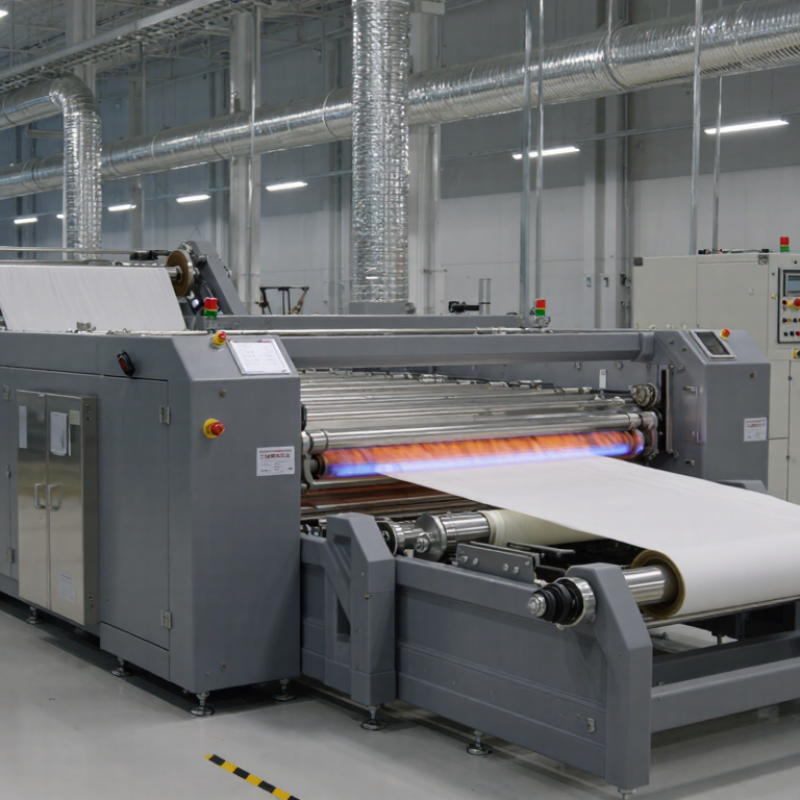
Flame lamination is gaining attention as manufacturers seek cleaner, faster bonding for foam, textiles, automotive interiors, and protective materials. The German Type Flame Lamination Machine uses controlled heat to activate a foam surface before pressing fabric against it. This process can reduce adhesive consumption and create a smooth, flexible bond. In production, details matter: flame height, line speed, burner distance, and cooling pressure can change the final result.

Industry reports support this market direction. Smithers’ The Future of Nonwovens to 2028 identifies continued demand for lightweight, functional, and engineered textile materials. Grand View Research also reports sustained growth in technical textiles, driven by automotive, construction, healthcare, and industrial applications. These trends increase the need for stable lamination equipment, especially machines offering repeatable heating and accurate web control. Yet broad market reports do not replace factory testing. They show opportunity, not guaranteed performance.

A reliable China supplier should provide more than a machine quotation. Buyers should examine burner safety systems, temperature monitoring, emergency shutdown design, spare-part availability, and operator training. Trial samples should be tested under real fabric widths and production speeds. Small flaws become expensive at scale. No machine is perfect. A supplier may also need to adjust roller pressure, flame intensity, or cooling time for different foams and fabrics. Through documented testing, transparent specifications, and responsive technical support, the right German Type Flame Lamination Machine can improve bonding consistency while supporting safer, more efficient manufacturing.

Best German Type Flame Lamination Machine China Supplier

What Is a German-Type Flame Lamination Machine?

Best German Type Flame Lamination Machine China Supplier

What Is a German-Type Flame Lamination Machine?

A German-type flame lamination machine uses controlled gas flames to bond foam with textiles, films, or nonwoven materials. Unlike adhesive lamination, it briefly melts the foam surface and creates a tacky bonding layer. The flame should not burn through the material when settings are correct. It passes beneath a calibrated burner at a controlled distance. The term “German-type” describes a design approach, not a universal technical standard.

During production trials, operators adjust flame intensity, web tension, roller pressure, and line speed together. A small change in foam density can affect bonding strength. The working area should include flame sensors, automatic shutoff, ventilation, emergency stops, and clear gas piping. We check peel strength, surface appearance, odor, and delamination after cooling. A clean bond matters more than impressive speed. Maintenance is easy to overlook. Burner nozzles collect dust, while rollers gradually lose alignment.

A reliable China supplier should offer trial lamination, technical drawings, material compatibility data, operator training, and service records. Ask for measured results, not broad promises. Confirm the electrical and gas-safety requirements for the installation country. One machine may perform well with one foam but poorly with another. That is not a result to hide. It is a variable to test. Material trials should guide burner width, roller pressure, and line speed.

Core Components and Working Principles

A German-type flame lamination machine depends on controlled heat, stable tension, and accurate pressure. Its core components include an unwinding unit, tension controller, gas train, burner head, cooling roller, nip rollers, exhaust system, and PLC controls. The burner briefly oxidizes the foam surface, creating active sites for adhesive bonding. The flame must contact evenly, not deeply burn the foam.

In practical lines, flame temperatures commonly reach 800–1,200°C, while exposure remains extremely brief. Production speeds often range from 20 to 80 meters per minute, depending on foam density and fabric structure. Smithers’ 2024 flexible packaging forecast expects global demand to exceed 30 million tonnes annually by 2028. That growth highlights the need for repeatable bonding and lower material waste. Still, packaging data does not fully represent upholstery or insulation production.

The nip rollers then combine the treated foam and textile under controlled pressure. Operators usually adjust burner distance, gas pressure, line speed, and roller temperature together. Small changes can cause weak edges, scorching, or trapped air. I would not trust a fixed setting across every fabric. A reliable supplier should provide flame uniformity tests, emergency shutoff checks, exhaust measurements, and trial-lamination records. EN 746-2 and ISO 12100 offer useful references for thermal equipment safety and machine risk assessment. The control screen may look simple. The process is not.

Key Performance Features and Material Compatibility

Best German Type Flame Lamination Machine China Supplier

A German-type flame lamination machine should deliver stable bonding, not only impressive output figures. Its burner needs even heat across the working width. Adjustable flame height helps operators match different foam densities and fabric weights. A responsive ignition system and flame-failure sensor add practical protection during production.

Material compatibility requires careful testing. Polyurethane foam, EVA, PE-based foam, textiles, films, and synthetic leather can react differently to heat. Excessive flame exposure may shrink fabric or damage the foam surface. Controlled web tension reduces wrinkles and uneven bonding. Cooling rollers can protect finished laminates when the adhesive layer remains warm. Line speed, flame distance, and pressure should be adjustable independently. Small details matter.

Ask the China supplier for trial-lamination records, technical drawings, and maintenance guidance. Experienced engineers should explain burner calibration, exhaust requirements, and replacement intervals. A reliable supplier also provides operator training and clear inspection standards. Testing should measure peel strength, surface appearance, dimensional change, and bonding consistency. Results should be recorded by material batch. No machine fits every production line. In practice, even a strong specification can disappoint when humidity, foam density, or fabric tension changes. That limitation deserves honest discussion before purchase. A site assessment and sample trial usually reveal more than a sales promise.

Best German Type Flame Lamination Machine China Supplier - Key Performance Features and Material Compatibility
Data Dimension Typical Specification or Range Performance Significance Material or Process Considerations
Lamination Method Direct flame bonding of flexible foam to textile, film, or nonwoven substrates Uses controlled heat to melt the foam surface and create an adhesive interface without adding liquid glue. Most commonly applied to flexible polyurethane foam; surface cleanliness and consistent flame exposure are essential.
Primary Foam Type Flexible polyurethane foam, typically approximately 3–30 mm thick Provides a broad working range for automotive trim, furniture, apparel, footwear, and protective padding. Foam density, cell structure, thickness, and flame response must be tested before production approval.
Working Width Common configurations: 1,600–2,400 mm; custom widths may be available Determines the maximum usable web width and production flexibility. Actual width depends on the machine frame, burner design, edge-trim method, and customer product requirements.
Typical Line Speed Approximately 10–40 m/min for standard products Higher speed improves output but requires precise control of flame intensity, web tension, and nip pressure. Thick foam, heat-sensitive textiles, complex laminates, and high-quality cosmetic surfaces may require lower speeds.
Heating Energy Source Natural gas or LPG, subject to local gas supply and burner configuration Provides direct, concentrated heat with rapid response and relatively low thermal mass. Gas pressure, ventilation, combustion air, exhaust, and local safety regulations must be verified during installation.
Flame Control Adjustable burner output with independent control of flame height and exposure position Helps maintain stable foam surface activation and reduces scorching or incomplete bonding. Closed-loop temperature or flame monitoring is beneficial for repeatability, especially at variable line speeds.
Flame Temperature Gas flame core temperature may exceed 1,500°C; the foam surface receives controlled heat rather than direct core exposure Allows rapid surface melting while limiting heat penetration into the foam and facing material. Actual treatment temperature depends on burner distance, gas-air ratio, line speed, and foam formulation.
Nip Pressure Adjustable rubber or steel nip rollers, commonly controlled by pneumatic or mechanical loading Ensures intimate contact between the activated foam surface and the facing layer. Excessive pressure can compress foam permanently; insufficient pressure can cause weak or uneven bonding.
Web Tension Control Unwinding and rewinding with adjustable tension; optional automatic tension control Reduces wrinkles, telescoping, stretching, and misalignment during continuous lamination. Important for lightweight fabrics, knitted materials, elastic textiles, and thin films.
Bonding Width Accuracy Typically controlled through web alignment, edge guides, and burner positioning Improves edge quality and helps maintain a consistent laminated width. Precision depends on substrate flatness, roll alignment, edge guidance, and operator adjustment.
Suitable Textile Substrates Cotton, polyester, nylon, viscose, blends, knitted fabrics, and selected microfiber materials Supports applications in upholstery, interior trim, apparel components, luggage, and footwear. Textiles must tolerate short-duration heat exposure; dyes, coatings, and finishes may affect bonding.
Suitable Nonwoven Substrates Polyester, polypropylene, viscose, and selected fiber blends Provides economical reinforcement, cushioning, filtration-support layers, and interior backing materials. Polypropylene and low-melting fibers require careful flame control to prevent shrinkage or surface damage.
Suitable Film Substrates Selected polyurethane, polyester, PVC, and other heat-tolerant films Can add barrier, decorative, protective, or moisture-resistant functions to foam laminates. Film thickness, melting point, surface energy, and heat resistance must be confirmed by trials.
Material Compatibility: Flexible PU Foam + Polyester Fabric Generally Suitable Common combination with good potential for continuous bonding and stable appearance. Check fabric dye migration, coating adhesion, and resistance to the selected flame exposure.
Material Compatibility: Flexible PU Foam + Nylon Fabric Generally Suitable Suitable for automotive, sportswear, luggage, and footwear components when heat exposure is controlled. Nylon may shrink or distort under excessive heat; process trials are recommended.
Material Compatibility: Flexible PU Foam + Cotton Fabric Conditionally Suitable Can be laminated successfully, but absorbent and textured fabrics may require optimized pressure and speed. Evaluate scorching, discoloration, moisture content, and surface uniformity before full-scale production.
Material Compatibility: Flexible PU Foam + Polypropylene Nonwoven Conditionally Suitable Possible for selected constructions with tightly controlled heat input. Low melting and shrinkage behavior can cause deformation; use a trial sample and conservative settings.
Material Compatibility: Rigid Foam Usually Unsuitable Rigid foams generally do not provide the flexible, meltable surface required for reliable flame bonding. Alternative adhesive, hot-melt, thermal, or mechanical bonding methods may be more appropriate.
Material Compatibility: PVC or PU-Coated Fabric Conditionally Suitable Can provide decorative or protective laminated structures when the coating remains stable under heat. Test for bubbling, gloss change, plasticizer migration, odor, and coating delamination.
Bond Strength Development Depends on foam formulation, substrate, flame activation, nip pressure, and cooling time Properly matched settings can produce a continuous bond without separate adhesive application. Bond strength should be verified using the customer’s intended peel, shear, aging, and wash-resistance tests.
Cooling and Stabilization Ambient cooling section or optional cooled roller arrangement Helps stabilize the laminate, reduce blocking, and improve dimensional consistency before rewinding. Cooling requirements increase with thicker foam, higher production speed, and heat-sensitive facings.
Control System PLC-based control with touchscreen operation, speed synchronization, and alarm monitoring Improves repeatability and simplifies adjustment of line speed, burner output, and roller settings. Useful functions include recipe storage, emergency-stop circuits, fault alarms, and production parameter display.
Safety Features Flame-failure protection, gas-pressure monitoring, emergency stops, guarding, and exhaust provision Reduces operational risk during gas-fired thermal processing. Final safety configuration must comply with applicable local gas, electrical, fire, and machinery regulations.
Quality Monitoring Visual inspection, width measurement, peel testing, and periodic bond-strength verification Detects wrinkles, scorch marks, poor bonding, edge offset, and surface defects. For demanding applications, establish documented process windows and incoming-material inspection criteria.
Typical Applications Automotive interiors, furniture upholstery, mattresses, apparel, footwear, bags, acoustic products, and protective padding Supports lightweight, flexible, and cushioned composite structures. Application suitability depends on required durability, odor limits, wash performance, flame-retardancy requirements, and appearance.
Recommended Pre-Sale Validation Sample trial using production foam and facing materials Confirms speed, flame exposure, pressure, appearance, and bond performance before equipment selection. Record material thickness, density, width, gas type, target output, test methods, and acceptance criteria.
Technical note: The specifications shown are typical engineering ranges for continuous flame lamination equipment. Final values should be confirmed through a material trial and a machine configuration review because foam formulation, substrate construction, gas conditions, and required product quality can significantly affect operating parameters.

How to Evaluate a China-Based Machine Supplier

Best German Type Flame Lamination Machine China Supplier

How to Evaluate a China-Based Machine Supplier

Choosing a German type flame lamination machine requires more than comparing online prices. Check the supplier’s engineering records, production area, and testing procedures. Ask for videos showing flame stability, fabric feeding, cooling, and emergency shutdown. Real details matter. A reliable supplier should explain burner control, adhesive-free bonding, compatible materials, and daily maintenance without vague promises. Request drawings, electrical specifications, spare-parts lists, and operating manuals before payment discussions begin.

Factory communication also reveals technical competence. Send your actual fabric samples, including foam, textile, or coated materials. Ask the supplier to run a documented trial using your production speed. Measure bonding strength, surface appearance, gas consumption, and roll alignment. A proper report should include test dates and machine settings. Independent inspection can verify frame quality, wiring, guarding, and calibration. Certificates are useful, but they should match the shipped machine, not only a general product file.

Look beyond the quotation. Confirm installation support, operator training, response time, warranty limits, and spare-part availability. A supplier with export experience should explain packing, voltage options, customs documents, and delivery risks clearly. However, no supplier is perfect. I would treat unusually fast promises as a warning, especially when testing is skipped. One overlooked detail, such as unstable fabric tension, can create expensive production waste. Keep every technical requirement in a signed specification.

Installation, Operation, and Maintenance Guidelines

Installation, Operation, and Maintenance Guidelines

A German-type flame lamination machine needs a stable, level foundation and clear service space. Before installation, inspect the burner, gas lines, rollers, sensors, and emergency stops. A qualified technician should connect utilities and verify local safety requirements. Check every gas connection for leaks before ignition. Never rely on smell alone. Use approved testing methods and record the results.

During operation, set the flame and roller pressure according to the material’s thickness and surface condition. Feed fabric evenly to prevent wrinkles, scorching, or weak bonding. Watch the flame color, bonding width, and material tension throughout production. Small changes can affect adhesion. Stop the machine immediately if unusual noise, unstable flames, or irregular heating appears. In practical production, the first setting is rarely perfect. Operators should adjust gradually and document each change.

Tips: Clean adhesive residue from rollers after cooling. Inspect burner openings every shift. Lubricate moving parts according to the service schedule. Replace damaged hoses or worn rollers promptly. Keep maintenance records with dates, readings, and operator notes. A short daily inspection often prevents longer downtime. Do not skip ventilation checks, even in familiar conditions. Performance may decline quietly before the defect becomes visible.