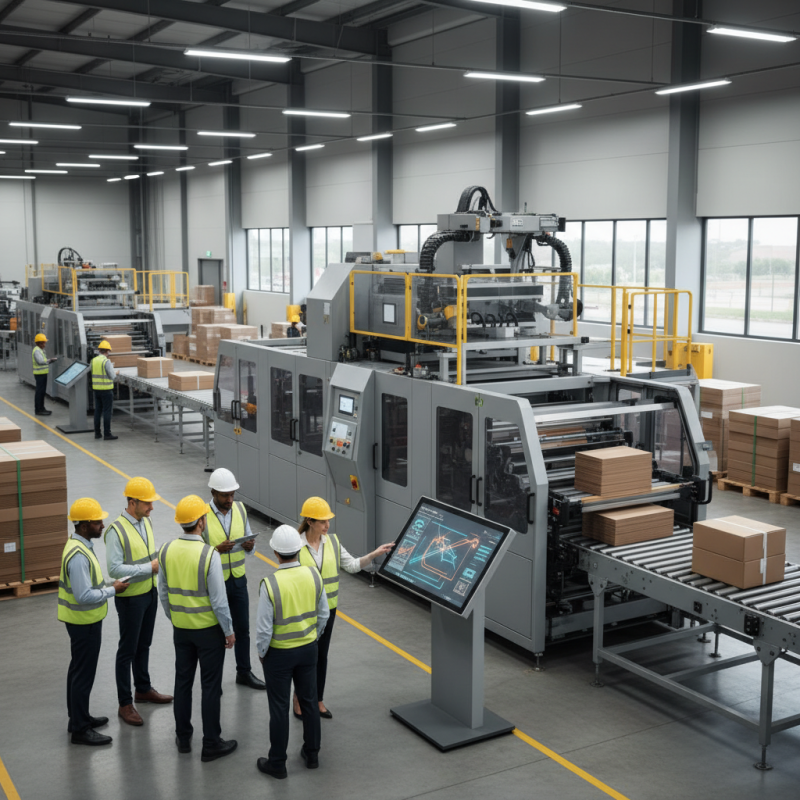
How to Choose the Best Folder Gluer Collector for Your Needs?
Choosing the right Folder Gluer Collector can greatly impact your production efficiency. Understanding your specific needs is essential in this process. A quality Folder Gluer Collector helps streamline your workflow and maintain high output standards.
When assessing options, consider diverse factors. The size and design of the collector play significant roles in its performance. You might find some models easier to operate than others. Performance features should align with your production layout and volume.
It’s not just about buying the latest model. Reviewing user experiences and expert opinions can improve your decision-making. Effective solutions often come from understanding practical challenges. Reflect on previous investments. Did they meet your expectations? Your insights will guide you toward finding the ideal Folder Gluer Collector for your operations.
Factors to Consider When Selecting a Folder Gluer Collector
Choosing the right folder gluer collector is crucial for optimizing production. The first factor to consider is the volume of production. Higher volumes require more robust and efficient machines. If your facility runs multiple jobs daily, flexibility becomes essential. A machine that adapts to various sizes and styles will increase productivity.
Another important aspect is the ease of maintenance. Regular maintenance tasks can limit downtime, so a design that allows easy access to moving parts is beneficial. Consider how often your team will need to service the equipment. A complicated machine may frustrate operators and lead to errors. Look for features that simplify adjustments and repairs.
Finally, think about integration with your existing setup. The collector should work seamlessly with your folder gluer. Issues during setup can hinder workflow efficiency. Also, consider the level of training required for your staff. An intuitive interface can reduce the learning curve and improve overall performance. Balancing these factors will help you find the best folder gluer collector for your operations.
Understanding Different Types of Folder Gluer Collectors Available
When selecting a folder gluer collector, understanding the types available is crucial. Folder gluer collectors primarily include vacuum, air, and mechanical systems. Each type offers unique benefits tailored to different production needs.
Vacuum collectors are popular for their efficiency. They use suction to draw in products, making them suitable for high-speed operations. These systems can handle varying flaps and sizes, allowing for workflow flexibility. According to industry reports, vacuum systems can increase efficiency by up to 30%. However, they require regular maintenance to avoid performance dips.
Air collectors, on the other hand, rely on forced air to separate and stack finished products. They are less prone to jams and easier to clean. However, these systems can be less effective in humid conditions, impacting adhesive properties.
Mechanical systems offer a straightforward approach but may not adapt well to different product designs.
Tips: Always assess the speed and volume of your production line. The right choice greatly impacts overall productivity. Also, consider energy consumption; some systems may be cost-effective in the short term but result in higher long-term costs.
Understanding the specific requirements of your production flow can guide you in making an informed decision. Performance metrics and user reviews from industry reports can assist in evaluating options. Remember, the best collector is one that meets your specific operational needs and financial parameters while ensuring reliability.
Evaluating Production Capacity: Speed and Efficiency Metrics
When selecting a folder gluer collector, evaluating production capacity is crucial. Focus on speed and efficiency metrics to ensure optimal performance. A machine's speed is often measured in sheets per minute. For high-volume production, look for models that can consistently deliver high speeds without sacrificing quality.
Efficiency metrics should also be a key consideration. This includes material handling time and energy consumption. Assessing the time it takes to change settings and tools is vital. A more efficient machine can significantly reduce downtime, enhancing overall production flow. However, tread carefully; a machine with high speed may compromise on quality if not properly calibrated.
It’s essential to reflect on the long-term implications of your choice. High-speed machines may offer immediate benefits but could lead to increased maintenance needs. Balancing speed and durability can drive better returns over time. Think about how the machine fits within your existing workflow. Careful consideration of these factors ensures a well-rounded decision that meets your operational goals effectively.
Key Features to Look for in High-Quality Folder Gluer Collectors
When selecting a folder gluer collector, it's essential to focus on key features that enhance operational efficiency. High-quality collectors streamline the gluing process, which can significantly impact production speed. According to industry reports, around 70% of production delays stem from inefficient handling systems. Therefore, choosing a collector with an advanced feeding system is crucial. The right system can adapt to various sizes and material types, reducing downtime during production shifts.
Another significant feature to consider is the collector's capacity. Many high-performing models efficiently gather up to 3000 boxes per hour. However, selecting the right size to meet your specific needs is vital. Oversized models may occupy unnecessary floor space, while models that are too small can hinder productivity. Additionally, user-friendly controls and safety features enhance operational reliability. Industry standards suggest that machines with ergonomic designs minimize operator fatigue and reduce the risk of accidents, which is crucial for a productive workplace.
Lastly, consider the durability and maintenance requirements of the collector. Reliable components may reduce repair frequency and ensure consistent performance. A study indicated that businesses performing regular maintenance on their equipment can improve lifespan by 30%. Thus, investing in a robust model is not just cost-effective but also beneficial for long-term operations. Taking time to evaluate these features will help in making an informed choice.
Budget Considerations: Cost vs. Value in Folder Gluer Collector Investment
When investing in a folder gluer collector, understanding your budget is crucial. Industry reports indicate that smaller operations may allocate around $15,000 to $25,000 for mid-range models. Larger facilities typically invest $30,000 to over $100,000 for advanced systems. However, beyond initial costs, consider long-term value. A reliable machine can boost productivity and reduce waste, offering higher returns on investment.
Tips: Prioritize machines with low maintenance costs. Extra features may seem appealing, but assess if they genuinely enhance your production line. Upgrade options could be worth it, especially if they improve efficiency substantially.
Evaluate the total cost of ownership instead of just the purchase price. A lower-priced machine may lead to increased expenses later due to repairs and inefficiencies. Ensure you factor in potential downtimes and labor costs when calculating expenses. Reports have shown that a well-chosen collector can save up to 30% in operational costs over time.
How to Choose the Best Folder Gluer Collector for Your Needs? - Budget Considerations: Cost vs. Value in Folder Gluer Collector Investment
| Feature | Budget Option | Mid-Range Option | Premium Option |
| Initial Cost | $10,000 | $25,000 | $50,000 |
| Operational Efficiency | Low (up to 2000 units/hour) | Medium (2000 - 4000 units/hour) | High (4000+ units/hour) |
| Maintenance Cost (annual) | $1,500 | $750 | $300 |
| Expected Lifespan | 5 years | 7 years | 10 years |
| Warranty | 1 year | 3 years | 5 years |
| Technology | Basic Mechanism | Semi-Automatic | Fully Automatic with Sensors |